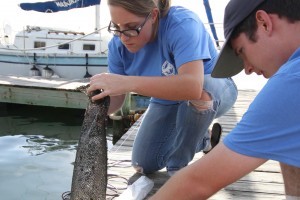
Benthic Ecology
Bottom-dwelling organism response to environmental disturbance.
1600 Ken Thompson Parkway
Sarasota, FL 34236
Ph: (941) 388-4441
Hours: 10AM - 5PM
A 501(c)3 nonprofit organization.
Mote's Sea Turtle Conservation & Research Program includes staff, interns and volunteers who have documented sea turtle nesting activity and the status of shoreline habitat for more than three decades along 35 miles of Sarasota County beaches. Their findings contribute to the statewide understanding of nesting trends. Data show that nesting by loggerhead turtles declined and then rebounded in recent years, while green turtle nesting — although very low in numbers — has increased. Nest destruction by predators has also increased during the same time period.
For past years' nesting numbers, visit Sea Turtle Nesting on our Environmental Updates page.
On the beach
Sea turtle nesting season takes place from May 1-Oct. 31 on Southwest Florida beaches. On nesting beaches, light from waterfront properties can disorient nesting female turtles and their young, which emerge at night and use dim natural light to find the sea. Also, beach furniture, trash and other obstacles can impede sea turtles and their young.
Here are some “do and don’t” tips to keep our beaches turtle-friendly:
On the water
Report stranded sea turtles and marine mammals
Mote Marine Laboratory’s Stranding Investigations Program responds 24 hours a day seven days a week to reports of sick, injured and dead marine mammals and sea turtles for animals in Sarasota and Manatee county waters. Live animals are brought back to Mote’s Dolphin and Whale Hospital or Sea Turtle Rehabilitation Hospital for treatment and the deceased animals undergo a detailed post-mortem examination so that we may learn more about the natural history of these animals and evaluate long-term trends in mortality.
Within Sarasota or Manatee county waters, if you see a stranded or dead dolphin, whale or sea turtle, please call Mote's Stranding Investigations Program, a 24-hour response service, at 888-345-2335.
If you see a stranded or dead manatee anywhere in state waters or a stranded or dead dolphin, whale or sea turtle outside of Sarasota or Manatee counties, please call the FWC Wildlife Alert hotline at 1 (888) 404-FWCC (3922).

Program Manager

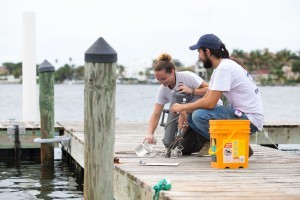
Bottom-dwelling organism response to environmental disturbance.
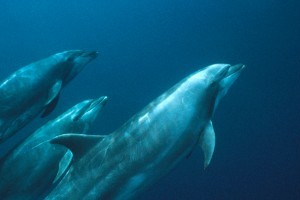
Long term study of dolphin populations in Sarasota Bay.
A Mote-FWC partnership to develop prevention, control and mitigation technologies and approaches that will decrease red tide impacts
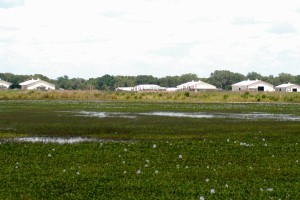
Developing technologies to produce fish & invertebrates to meet growing demand for seafood & fishing stocks.
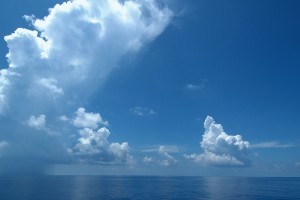
Mote Postdoctoral Research Fellowships are three-year positions for scientists conducting outstanding work early in their careers
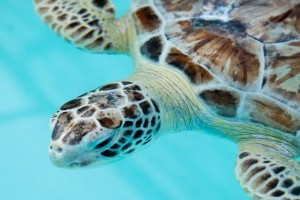
The Stranding Investigations Program (SIP) provides 24-hour response to sick, injured and deceased marine mammals & sea turtles.
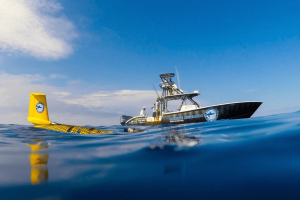
Using innovative ocean technology to accomplish interdisciplinary scientific goals
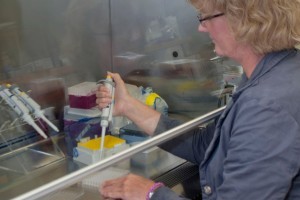
Basic and applied research on the health and immune systems of marine vertebrates
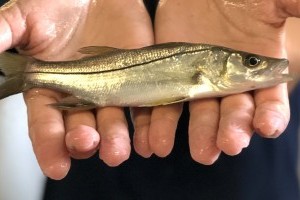
Advancing science to support abundant, productive fish populations
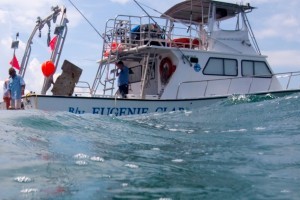
Studying the impacts of nutrients and physical parameters in riverine, estuarine and coastal environments.
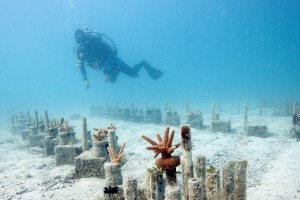
Seeking to develop systems and techniques to grow coral and other reef species.
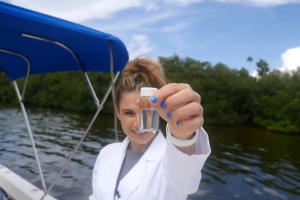
Investigating how marine & freshwater chemicals impact public health
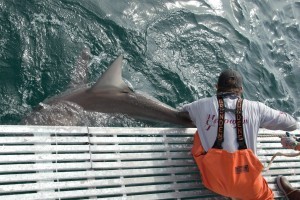
PERC is dedicated to improving stock assessment, management and sustainability of highly migratory fishes in the Atlantic and Gulf of Mexico
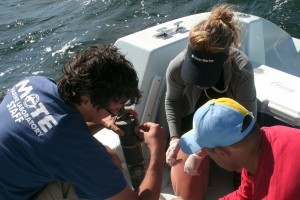
Study of the Ocean's Phytoplankton Community
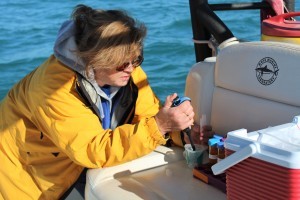
The Red Tide Institute at Mote Marine Laboratory leads Florida red tide mitigation and control research.
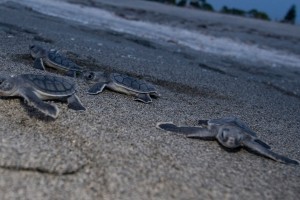
Studying habitats and trends in turtle nesting to conserve Sea Turtles.
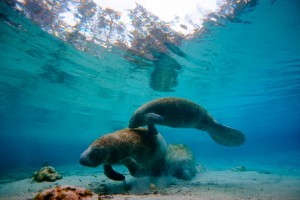
Studying manatee behavioral ecology, distribution, habitat use, genetics, and population status in Florida.
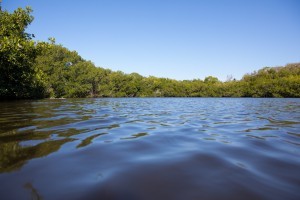
DEVELOPING AND INTEGRATING ENHANCEMENT STRATEGIES TO IMPROVE AND RESTORE FISHERIES
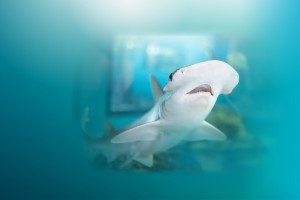
Internship: Mote's Aquarium Sciences and Animal Care team, Fish & Invertebrate Department
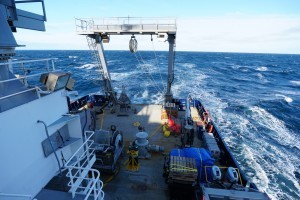
Studying the physical, biological, geological & chemical processes that distribute nutrients and other chemical species in the ocean
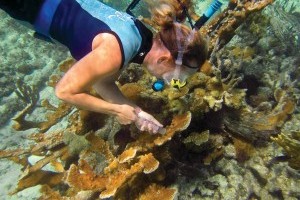
Coral diseases are one of the greatest threats to reefs worldwide.
Study responses of ecologically important species to projected levels of ocean acidification.
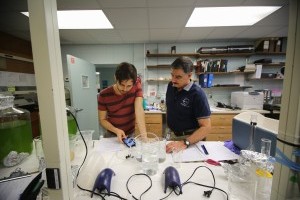
Investigating the source, fact & effects of toxins in the environment
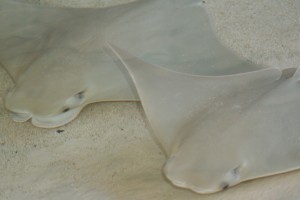
Studying sharks, skates and stingrays as laboratory animal models for basic & applied research
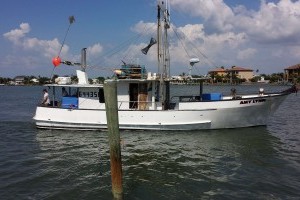
The only program dedicated to developing & assessing electronic monitoring (EM) for the Gulf of Mexico commercial reef fish fishery
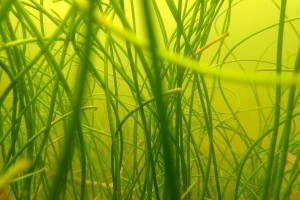
Seagrass research, restoration, nursery production and gene banking to address the rapid losses of seagrasses and their ecosystem services
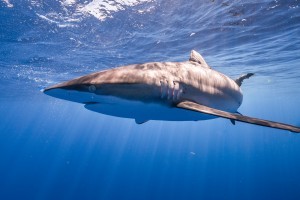
Sharks & Rays Conservation Research
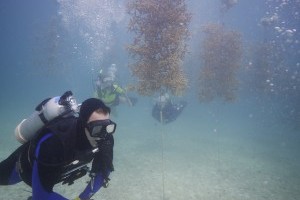
Understanding processes and environmental factors that influence coral reef health.
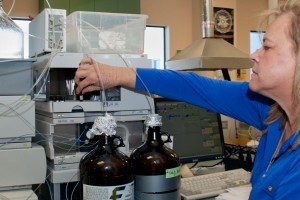
Contaminant detection of toxic substances.
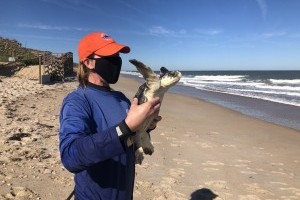
Providing state-of-the-art critical care & chronic care for stranded sea turtles
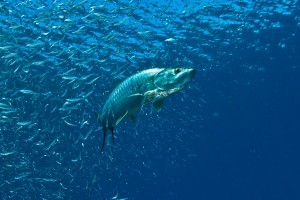
Study of how fish interact with their habitats & how disturbances influence these interactions.
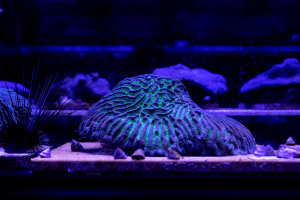
Global network of coral biobanks, nursery practitioners, and experts preserving all coral species for ecosystem restoration and research