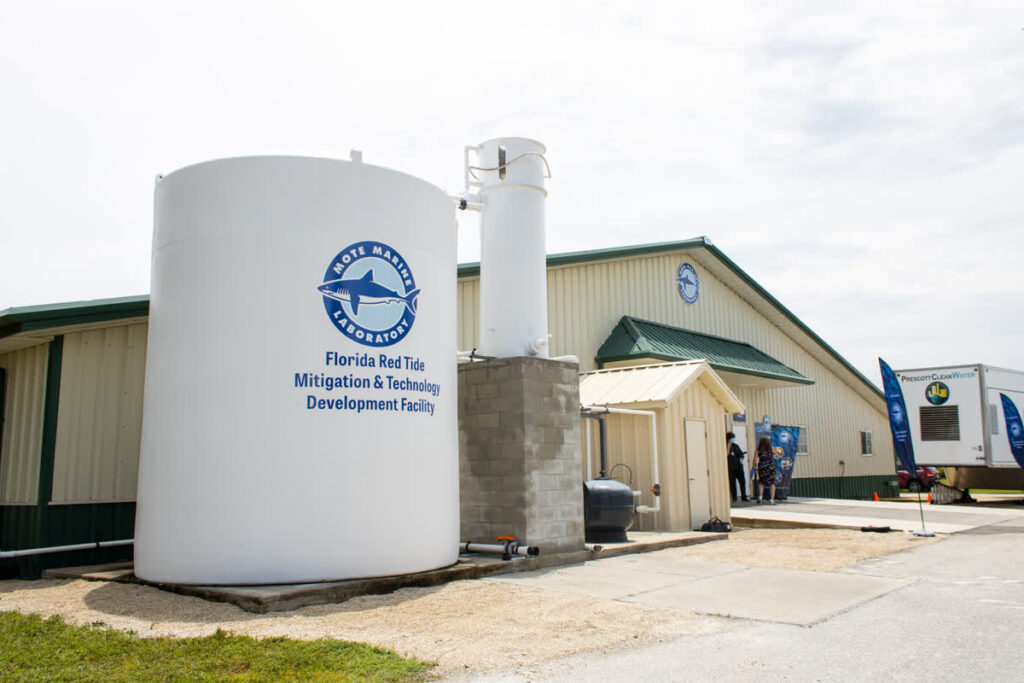
Red Tide Initiative Facilities & Culture Reservation
Back to Initiative main page Reserve Our Mesocosms, Raceways & Culture An important part of the Florida...
You are using an outdated browser. Please upgrade your browser to improve your experience.

336 results for ‘Red Tide’
Back to Initiative main page Reserve Our Mesocosms, Raceways & Culture An important part of the Florida...

Back to Initiative main page Timeline Click each tab for seasonal updates from the Florida Red Tide Mitigation &...

Back to Initiative main page Mote Marine Laboratory Florida...
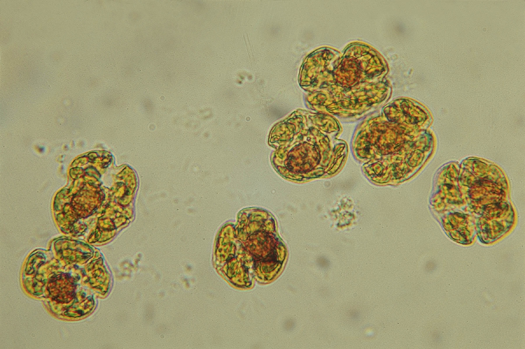
There are thousands of species of algae in fresh and marine waters; these organisms form the basis of the food web and provide an important source of the oxygen we need to breathe. While most species are harmless to humans and animals,...
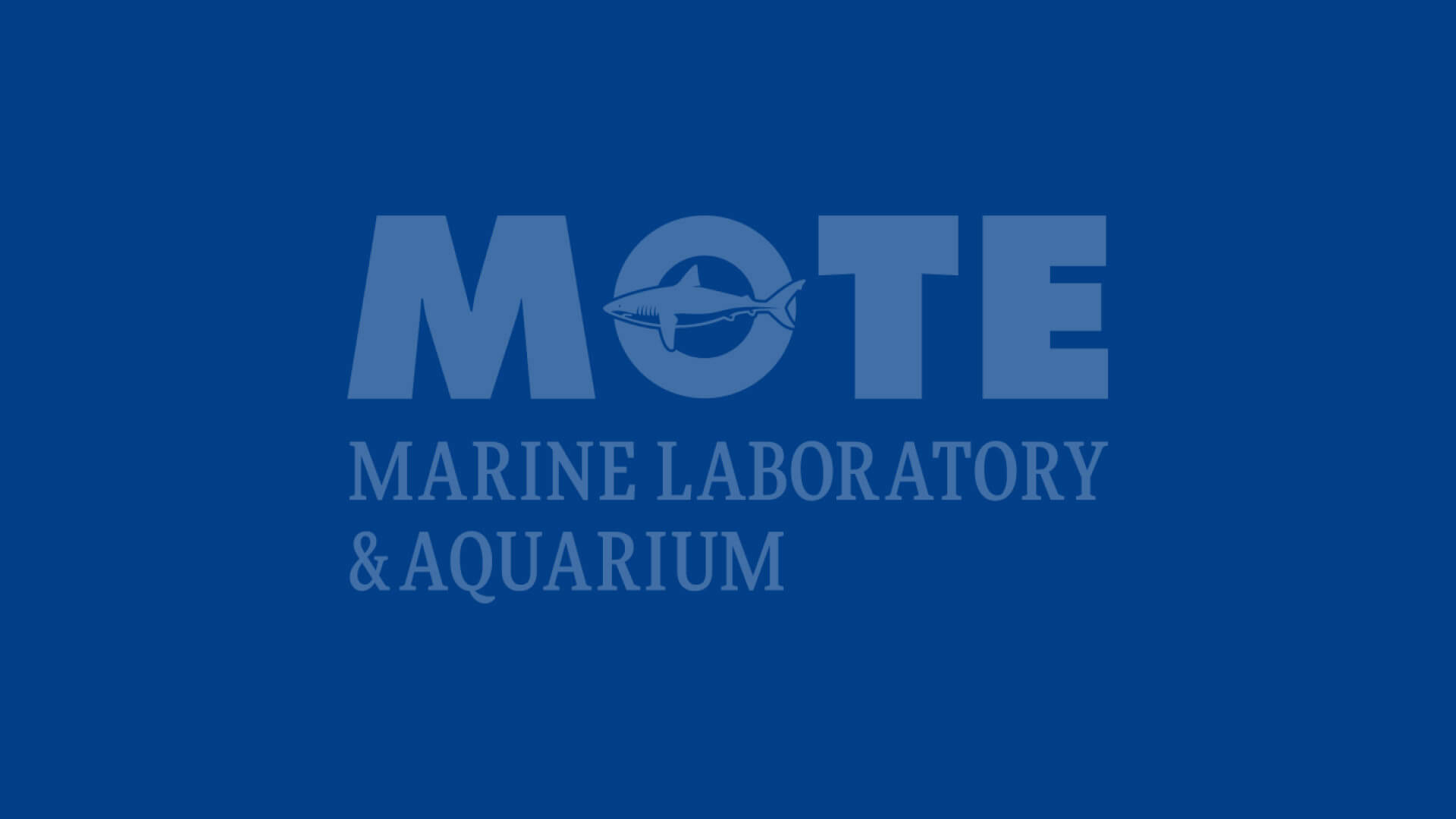
Blooms of the dinoflagellate Karenia brevis occur almost every year along the southwest Florida Gulf coast. Long-duration blooms with especially high concentrations of K. brevis, known as red tides, destroy marine life through production...

Mote Marine Laboratory & Aquarium recently invited researchers from around the world to discuss mitigation tools and technologies for the harmful algal bloom (HAB) that affects many communities across the state – Florida red...

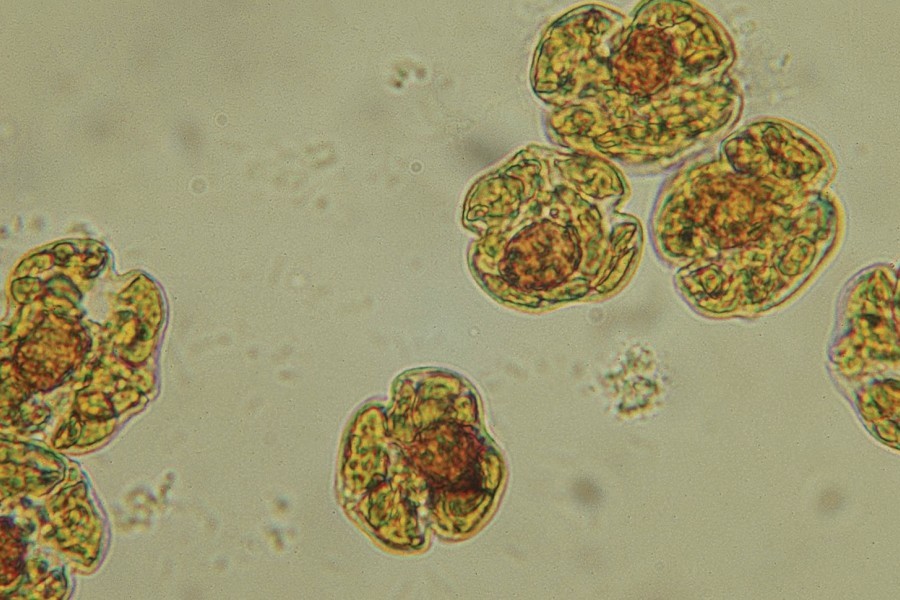
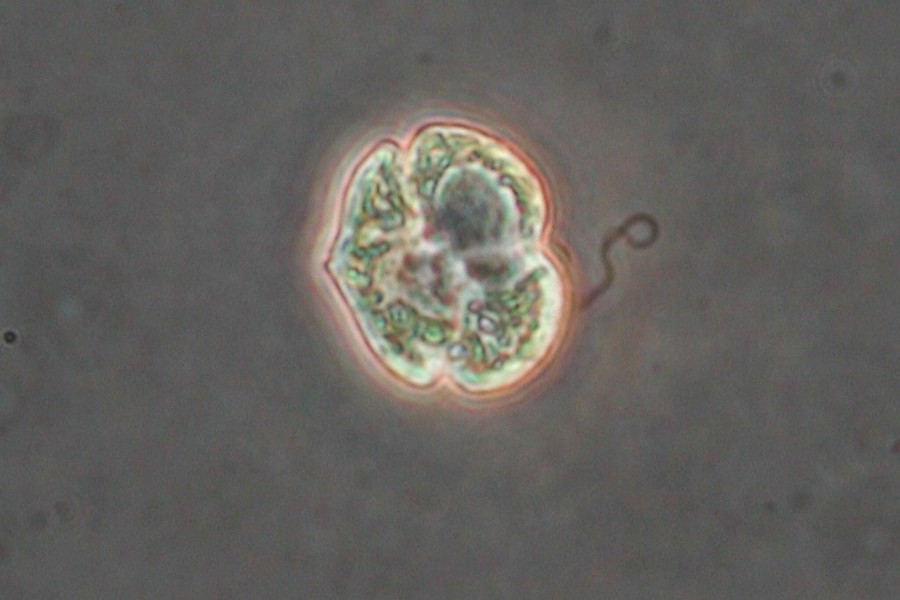
Florida red tide is a type of harmful algal bloom caused by higher-than-normal concentration of the microscopic alga, Karenia brevis, that occurs in the ocean and coastal waters of southwest Florida. These blooms can harm sea life,...

Mote Marine Laboratory & Aquarium’s President & CEO, Dr. Michael P. Crosby, spoke to the Bay Area Legislative Delegation (BALD) to provide updates on the Florida Red Tide Mitigation and Technology Development Initiative that...

The Florida Red Tide Mitigation & Technology Development Initiative, led by Mote Marine Laboratory in collaboration with the Florida Fish and Wildlife Conservation Commission, is moving closer to finding the technologies and strategies...

A bloom of Florida red tide, patchy and persistent since December 2020, has recently increased in severity in Tampa Bay, Sarasota Bay and along the coast from Pasco to Sarasota counties, causing respiratory irritation at local beaches...
How can I find out what current red tide conditions are? Mote’s Beach Conditions Reporting System provides shoreline observations as often as twice daily: visitbeaches.org/map ...

This story is a highlight from our 2020 Annual Report. TURNING THE (RED) TIDE WITH A GAME-CHANGING INITIATIVE As Gulf of Mexico communities...
Mote Marine Laboratory announces second round of projects selected for the Florida Red Tide Mitigation & Technology Development Initiative Sixteen Mote and partner-led projects have been selected to investigate...

Just like other community members, many marine scientists were self-isolating to protect public health in April 2020. In the meantime, researchers from multiple institutions were joining forces—mostly virtually, for now—to arrange...

During fall 2018, Florida red tide—a harmful bloom of Karenia brevis algae—intensified to a level that many marine animals could not survive. Of special concern was the impact on spawning female snook. If snook females...

Mote Marine Laboratory announced the Florida Red Tide Mitigation and Technology Development Initiative’s first...
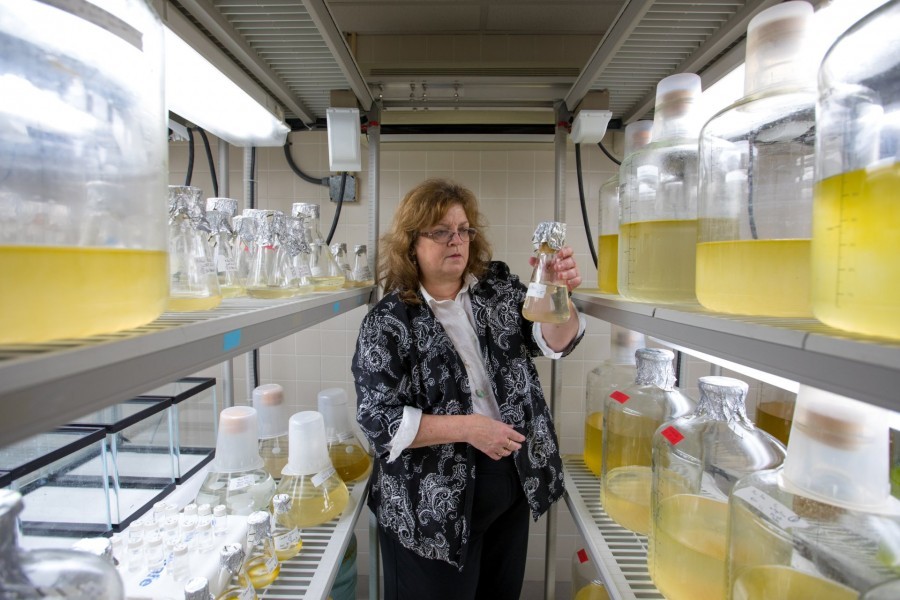
From late 2017 to early 2019, a major bloom of Florida red tide killed nearly 600 sea turtles, more than 200 manatees and 150 dolphins, while significantly decreasing the quality of life in many communities along Florida’s Gulf Coast. In...

Press release written by Governor DeSantis Press Office Sarasota, Fla. — Today, Governor Ron DeSantis signed SB 1552: Florida Red Tide Mitigation and Technology Development Initiative. The bill...

In February, Rotarians from the greater Sarasota area came together to host the Rotary Fights Red Tide gala at Mote Marine Laboratory & Aquarium. Following the success of the event, the Rotary Club of Sarasota Sunrise presented...
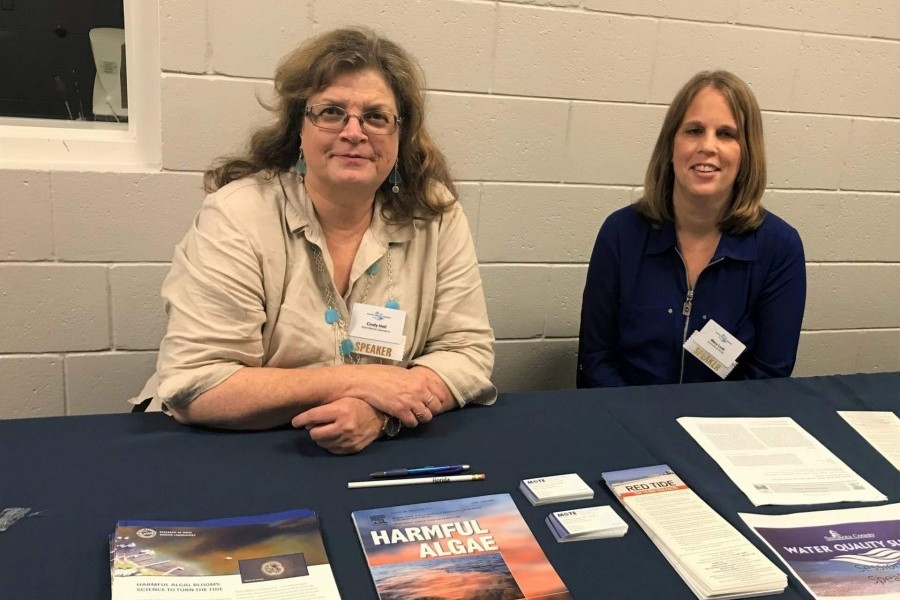
Water quality science and solutions took center stage at the Sarasota County Water Quality Summit, which convened local, regional and state leaders in research and management fields on June 5 at Riverview High School in Sarasota County. Dr....

High and medium concentrations of Florida red tide caused 100% and 30% mortality in stone crab larvae, respectively, and many of the surviving larvae had impaired swimming behavior, during a four-day lab study...
Mote Marine Laboratory & Aquarium is pleased to announce support for the directorship of Mote’s new Red Tide Institute thanks to a generous five-year grant. Charles & Margery Barancik Foundation has provided $751,487 in funding...

Today, Florida House Representative and Majority Whip Michael Grant (District 75) sponsored House Bill 1135 to establish the Florida Red Tide Mitigation & Technology Development Initiative. This Initiative will focus on the development...

Florida legislators in the Bay Area Legislative Delegation (BALD) convened at Mote Marine Laboratory this morning, Feb. 26, to discuss multiple important priorities, including Florida red tide and the critical role of marine science...

Mote Marine Laboratory is pleased to welcome Dr. Cynthia Heil as Director of its new Red Tide Institute, which focuses on studying and testing Florida red tide mitigation and control technologies to improve quality of life for coastal...
Mote Marine Laboratory leaders are thrilled to announce a major new step toward realizing a vision for addressing Florida red tide: a generous philanthropic investment of $1 million from The Andrew and Judith Economos Charitable Foundation...

Mote Marine Laboratory is grateful to acknowledge the recent receipt of funds for red tide research from area restaurants and supporters. On September 25, Mote President & CEO, Dr. Michael P. Crosby, accepted a check from the Save...

Mote Marine Laboratory’s leader shared red tide science to inform national policymakers yesterday, Sept. 27, on Capitol Hill in Washington, D.C. Mote President & CEO Dr. Michael P. Crosby served as a panelist during a red tide...