
You are using an outdated browser. Please upgrade your browser to improve your experience.

Areas of Research

Environmental Health

Today's Research for Tomorrow's Oceans

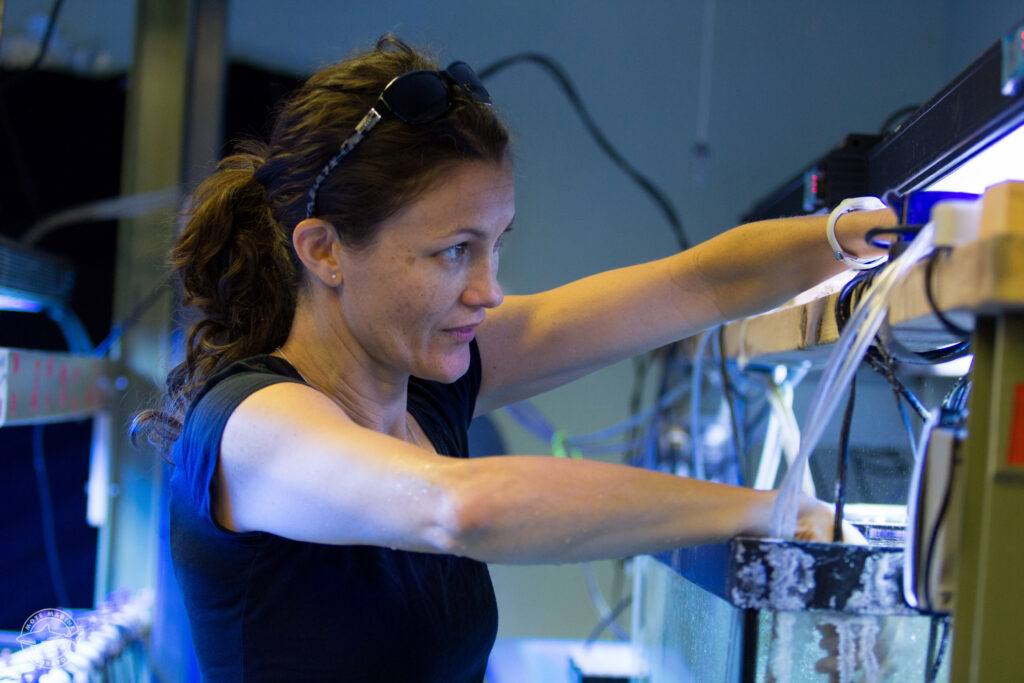
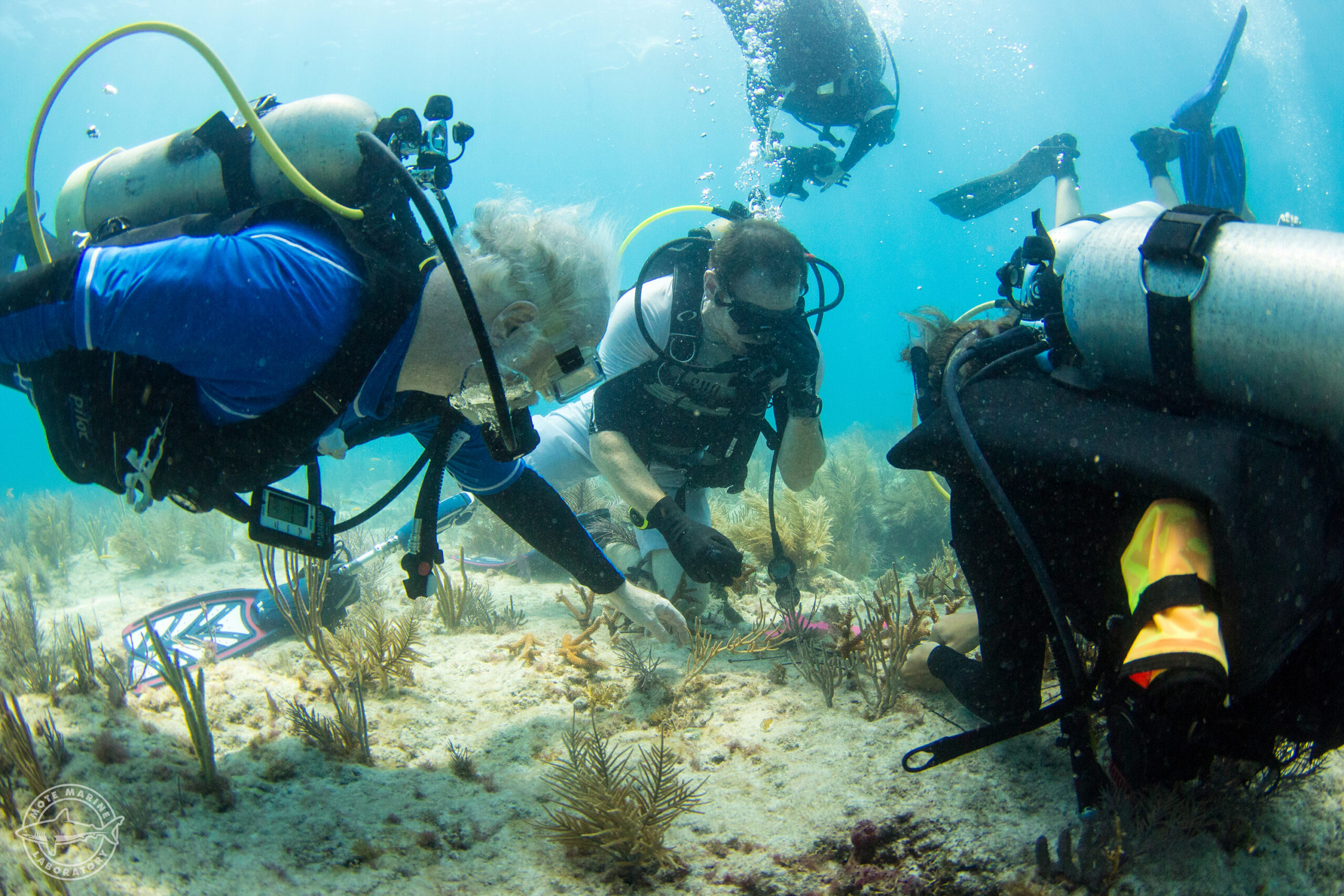
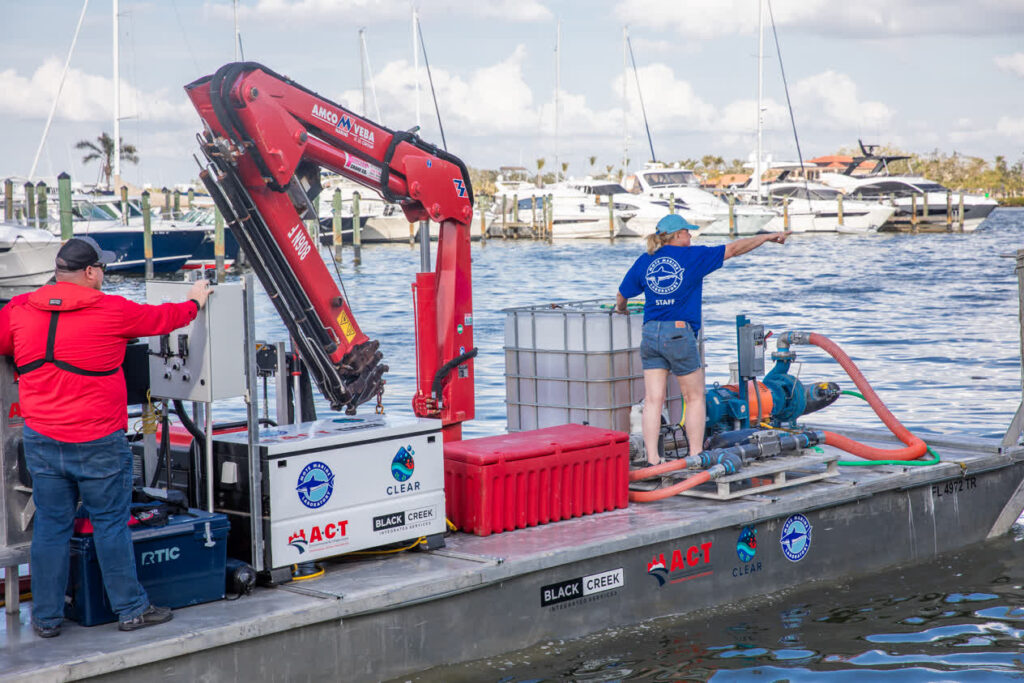
Healthy oceans mean a healthier quality of life for us all. At Mote, we study ocean phenomena that impact environmental health and coastal communities—harmful algae, climate change, pollution and more—to develop practical solutions ranging from red tide mitigation to ecological restoration.

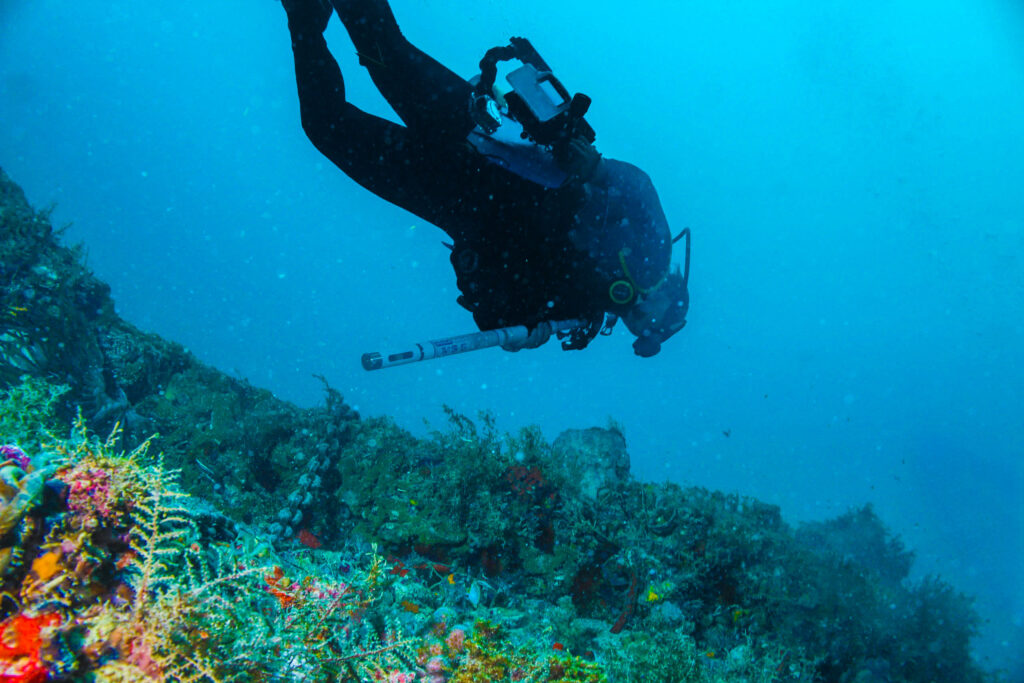
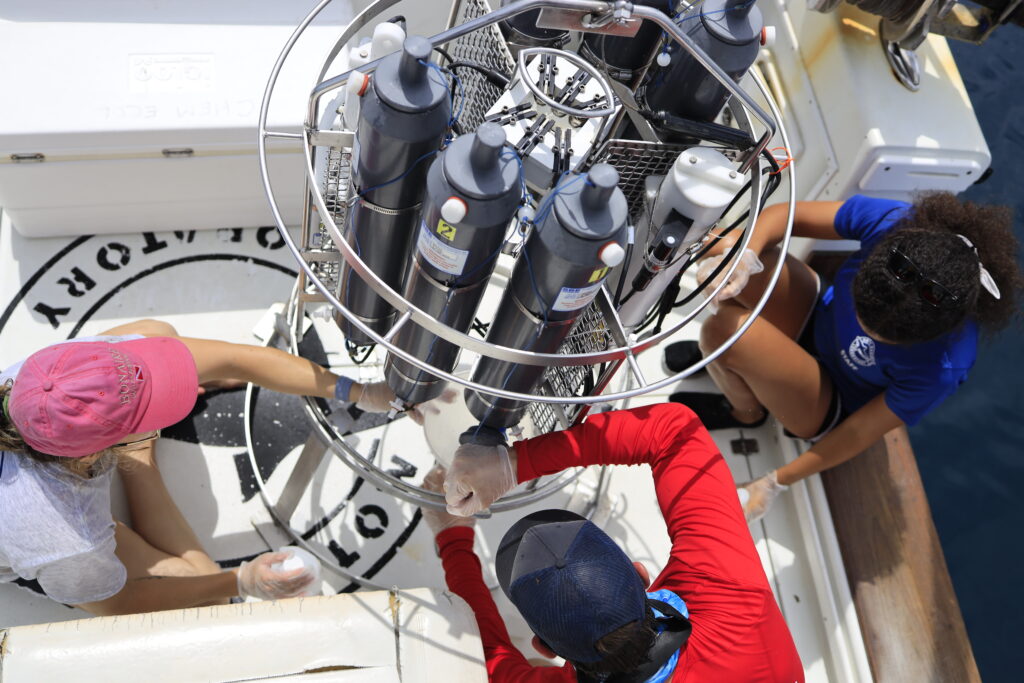
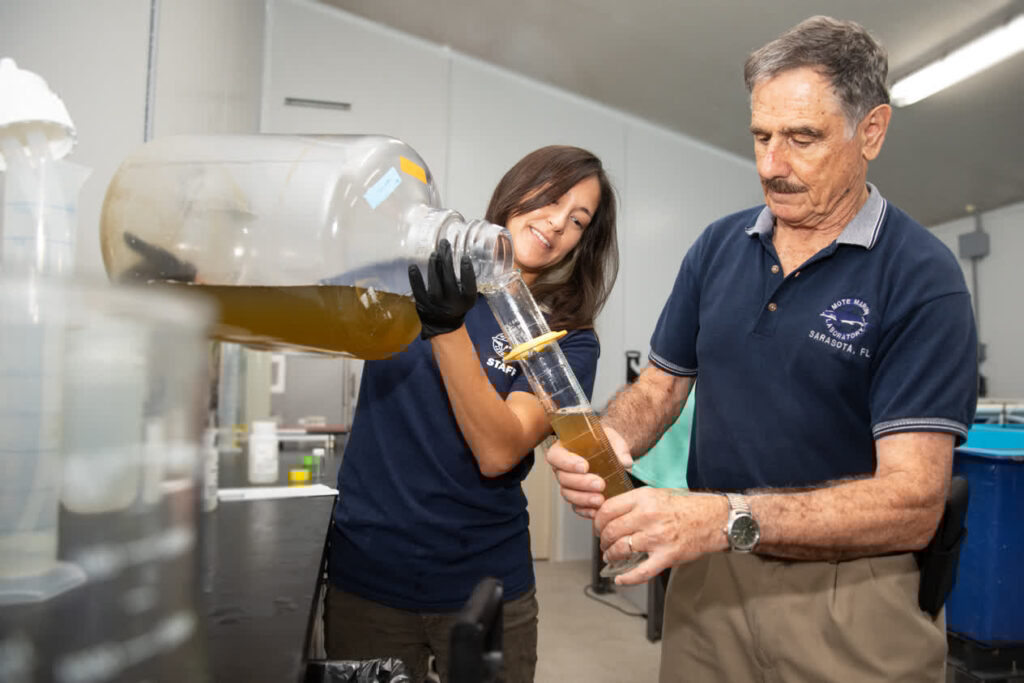
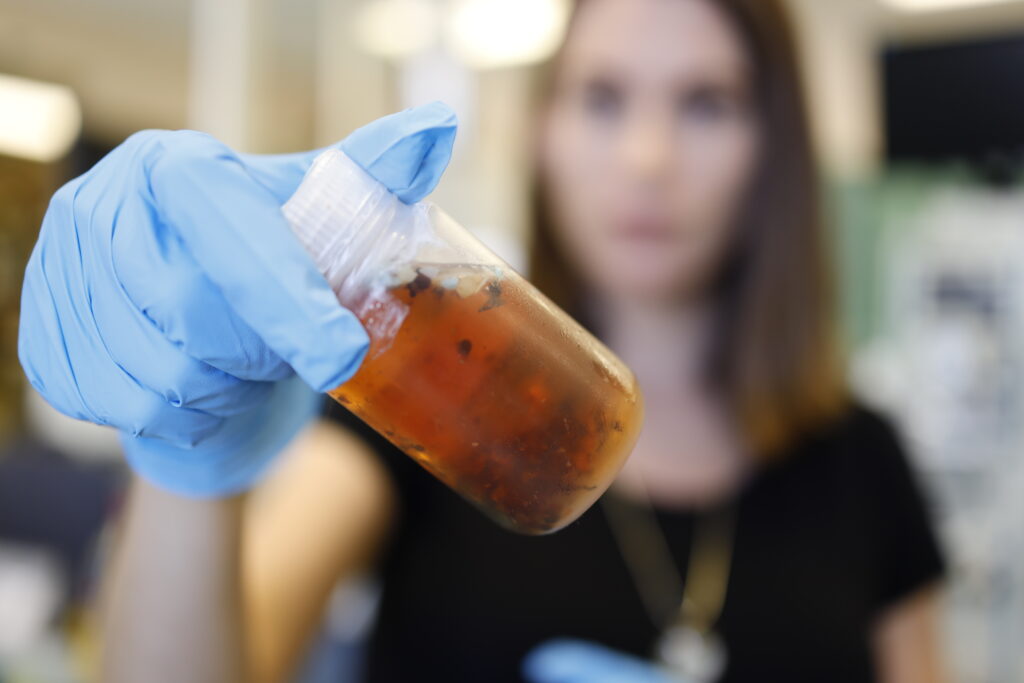
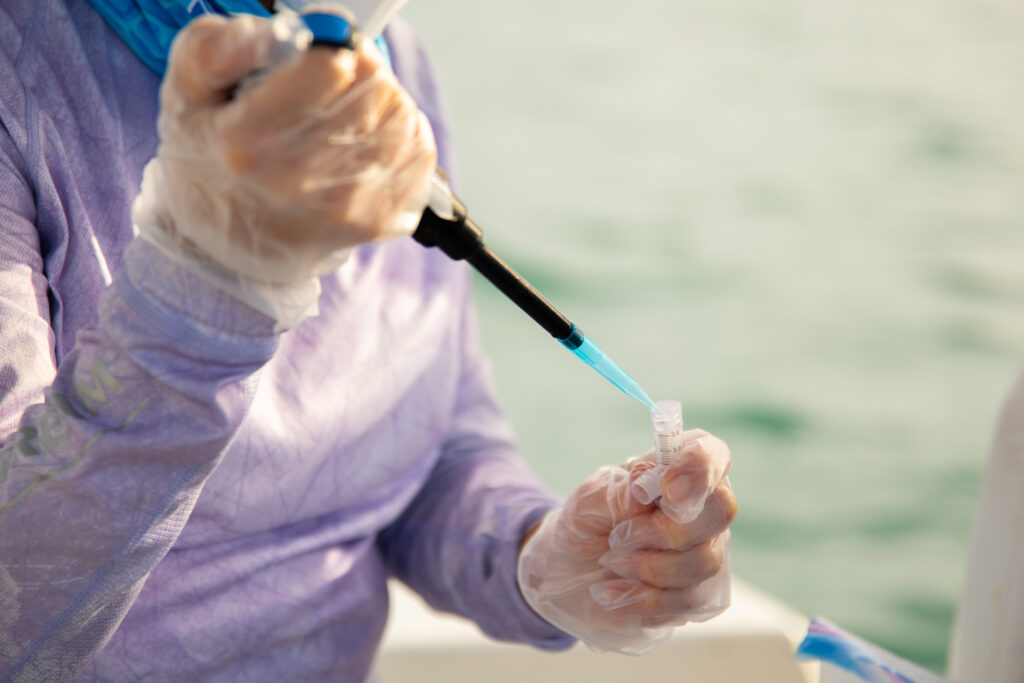
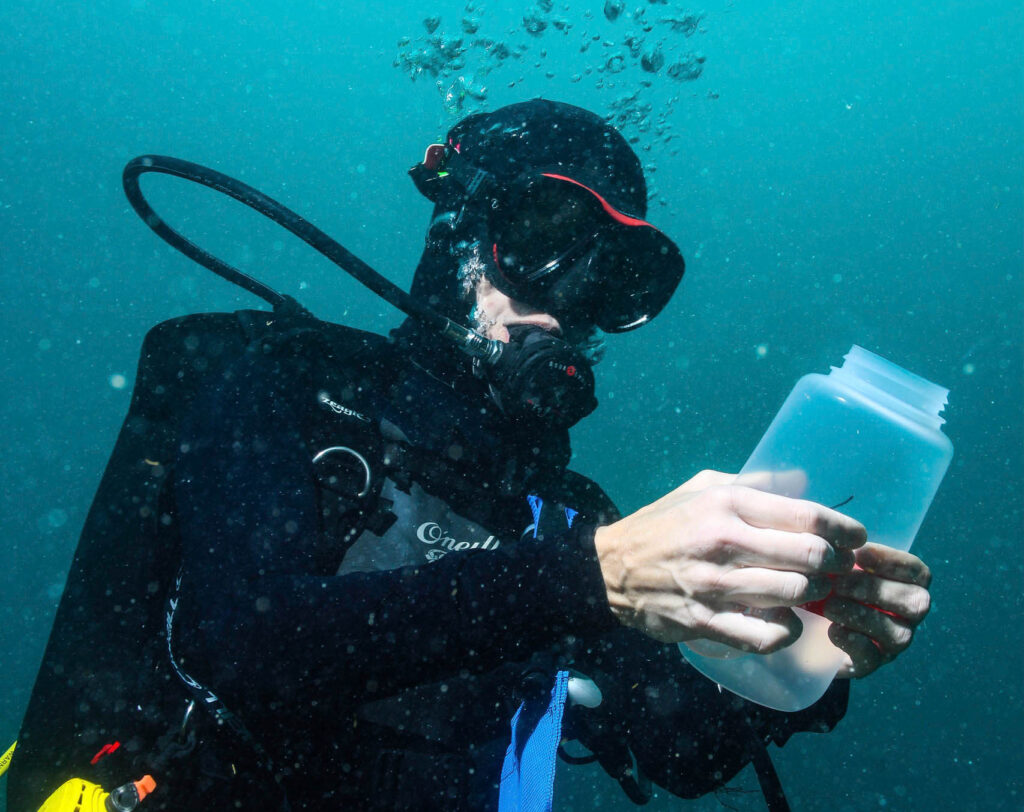
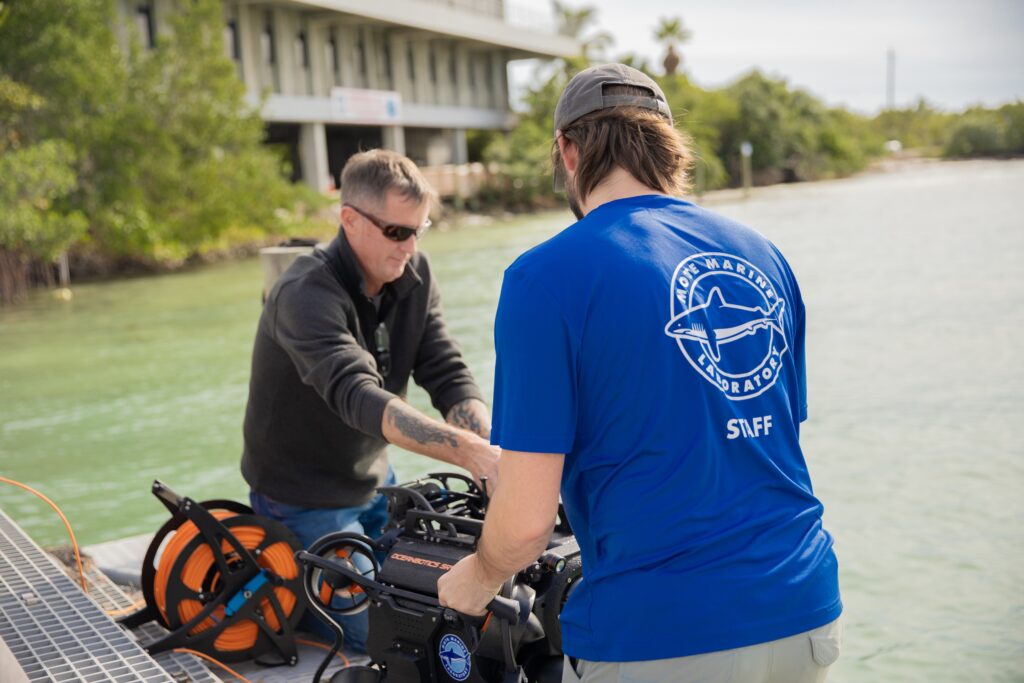
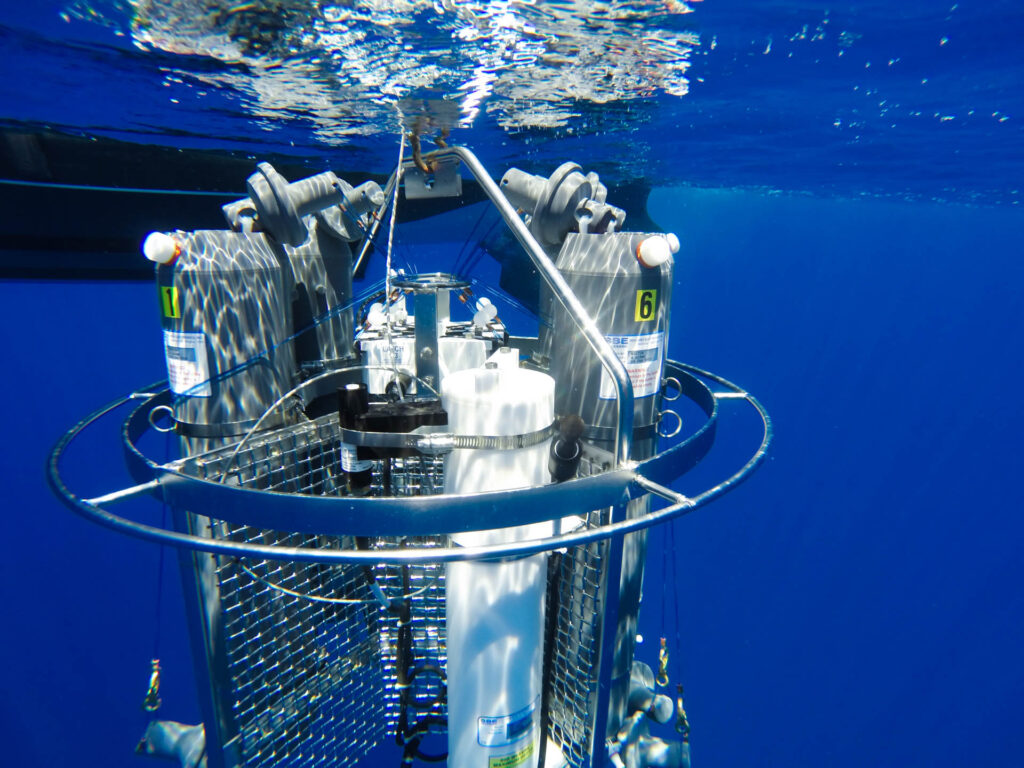
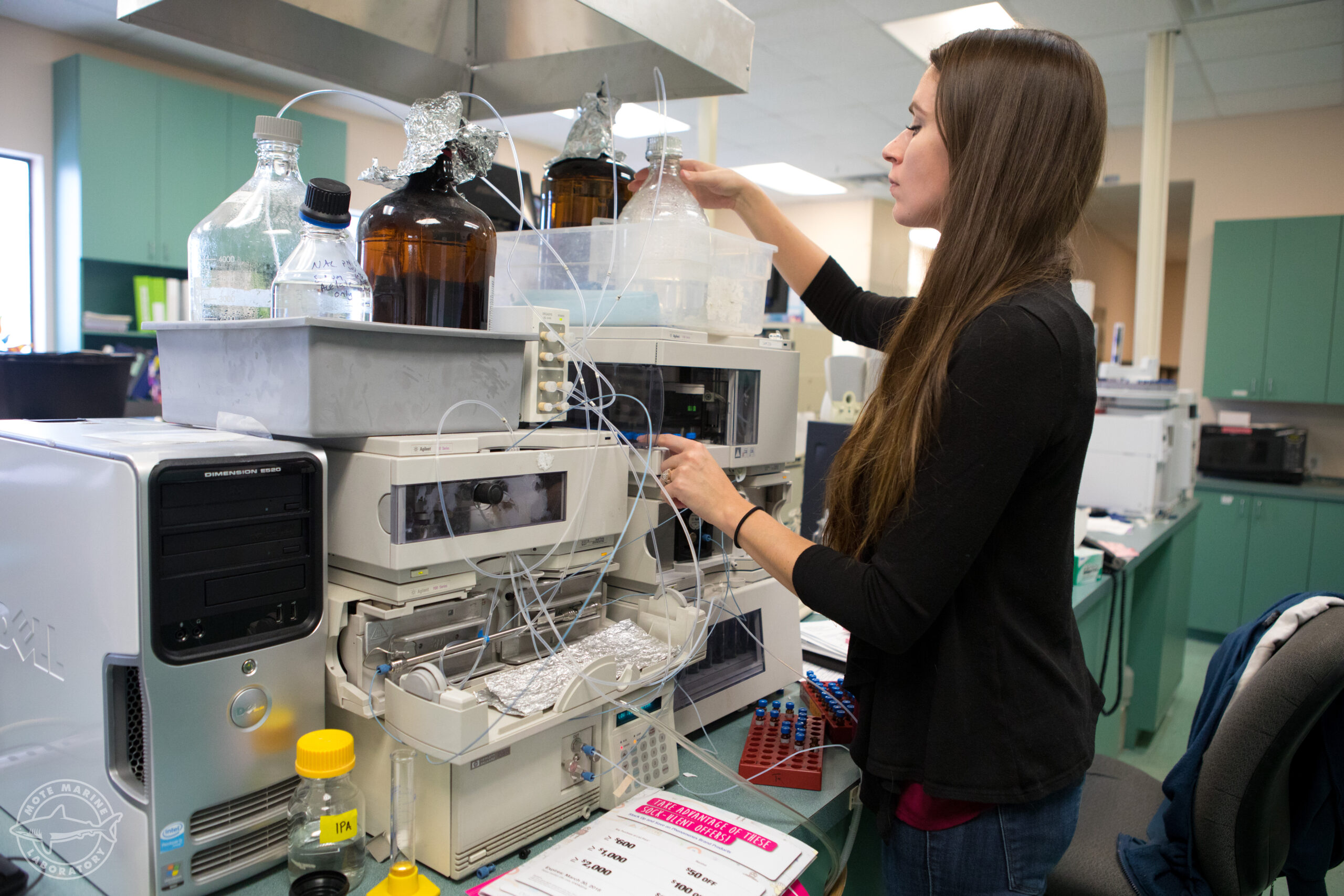
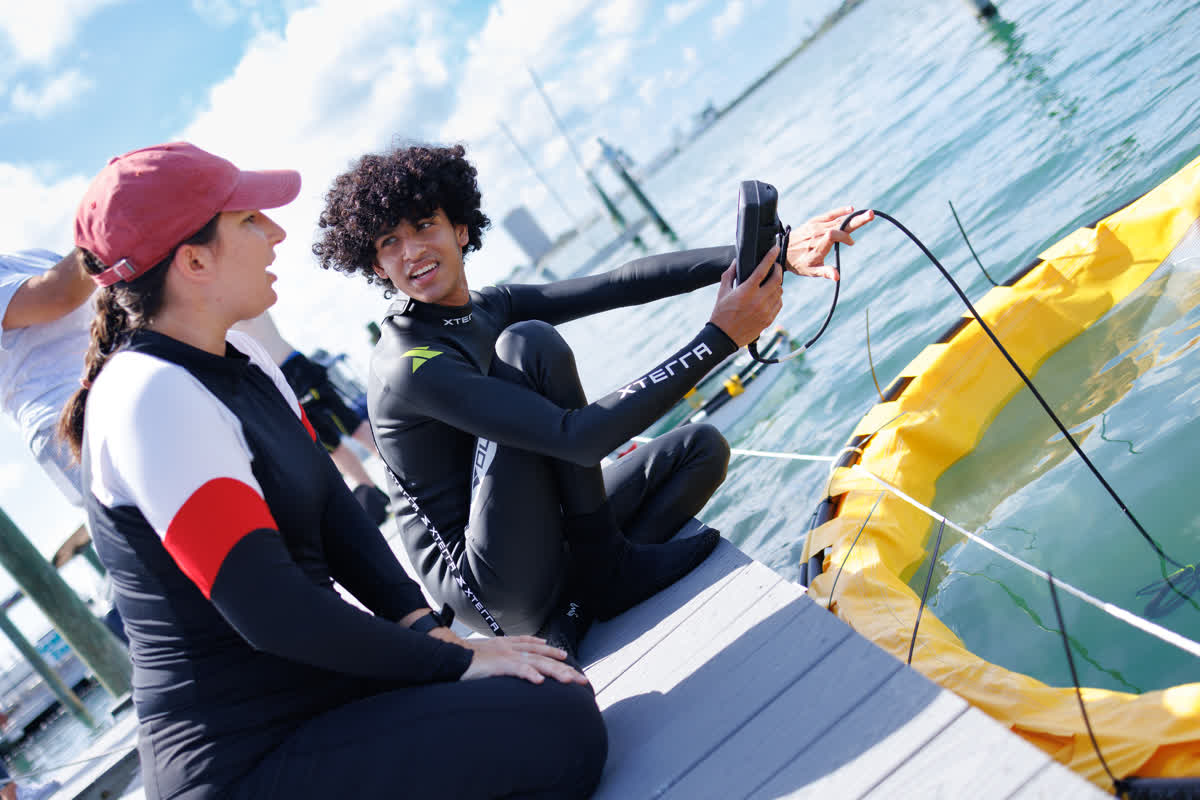
We survey ocean and coastal environments, deploy precision sensors, analyze samples in our specialized labs and disseminate our findings to societal leaders and the public, informing decisions that benefit our oceans and communities.
By the Numbers

107
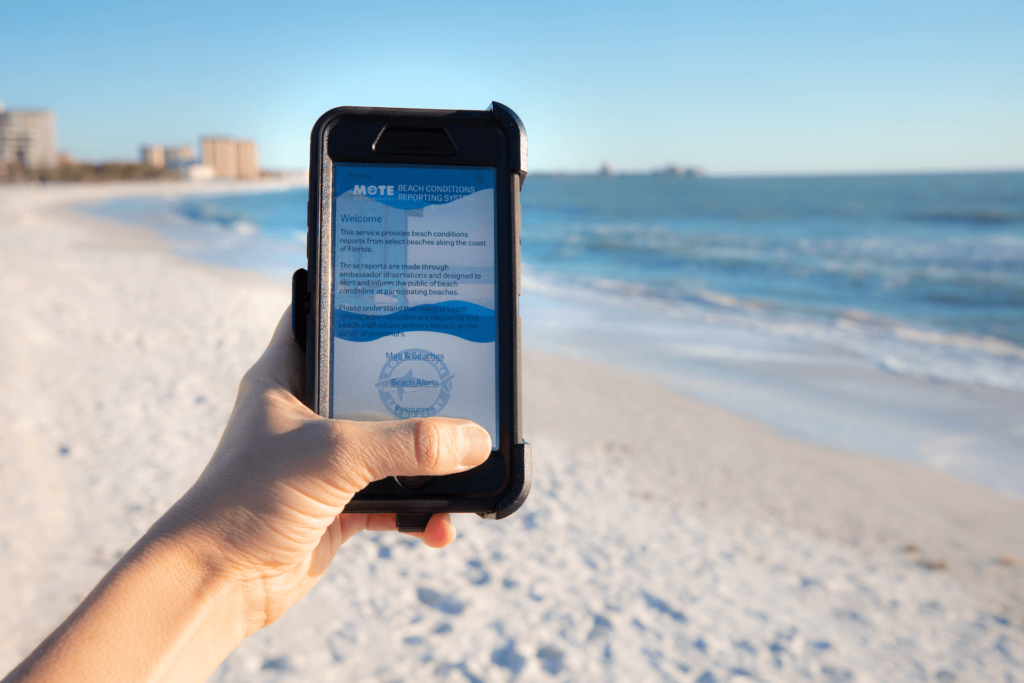
locations in 10 states

monitored by Mote's Beach Conditions Reporting System (visitbeaches.org) as of 2025.

21286
water samples analyzed for red tide

by the Mote-FWC Cooperative Red Tide Research Program in the past year—a key part of a statewide monitoring network.

122
days of robotic glider surveys

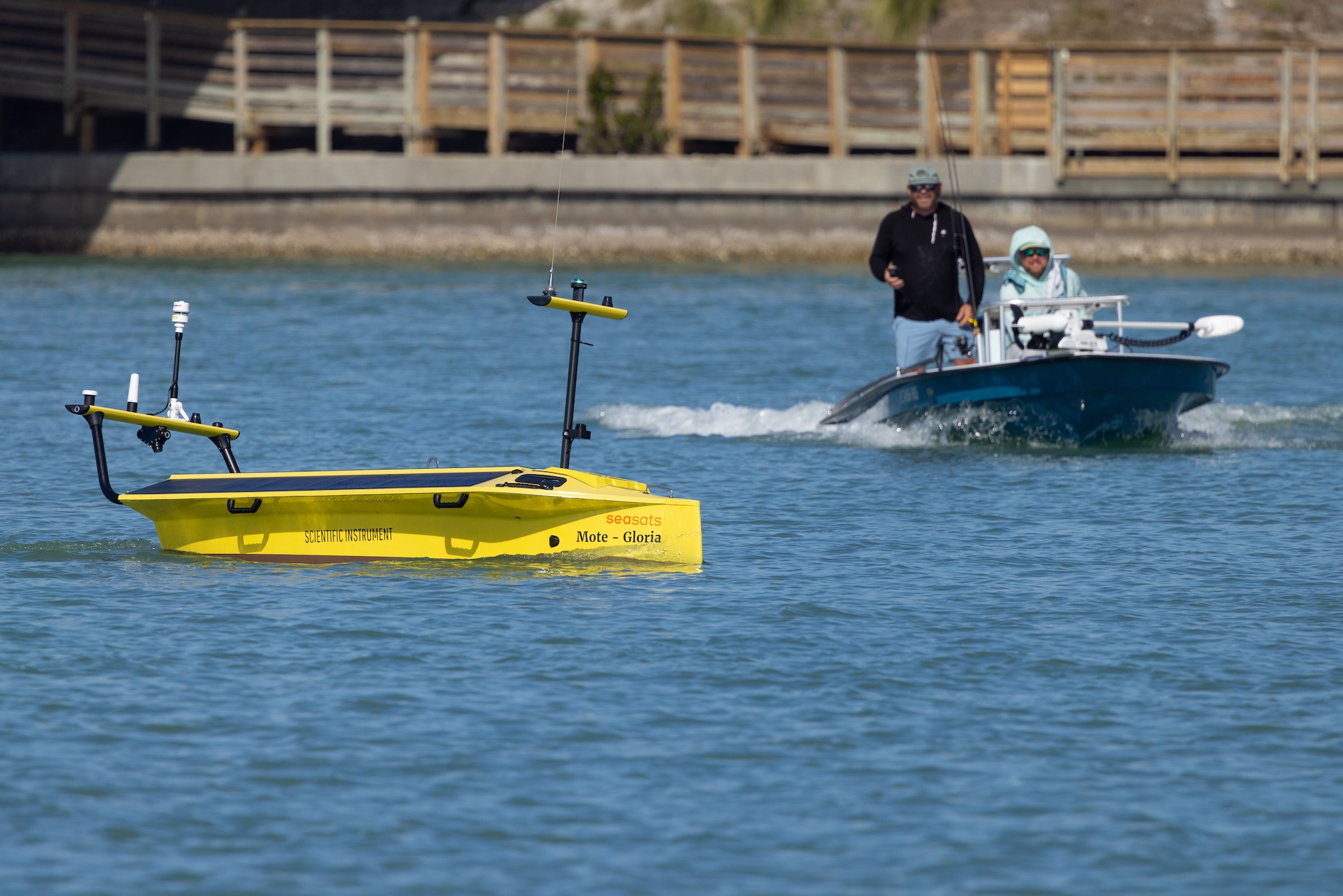
led by Mote to monitor ocean conditions relevant to red tide research in 2025.

22
technologies for red tide mitigation

and improved detection were in the field-testing stage as of late 2024.

15
new pioneering seagrass projects

funded by Mote’s Seagrass Initiative to study environmental stressors across Florida and their effects on multiple seagrass species.

+1000
seagrass samples collected

from 3 watershed regions to test their response to temperature stress—a step toward growing and restoring resilient seagrasses.
Beach Conditions

Mote's Beach Conditions Reporting System

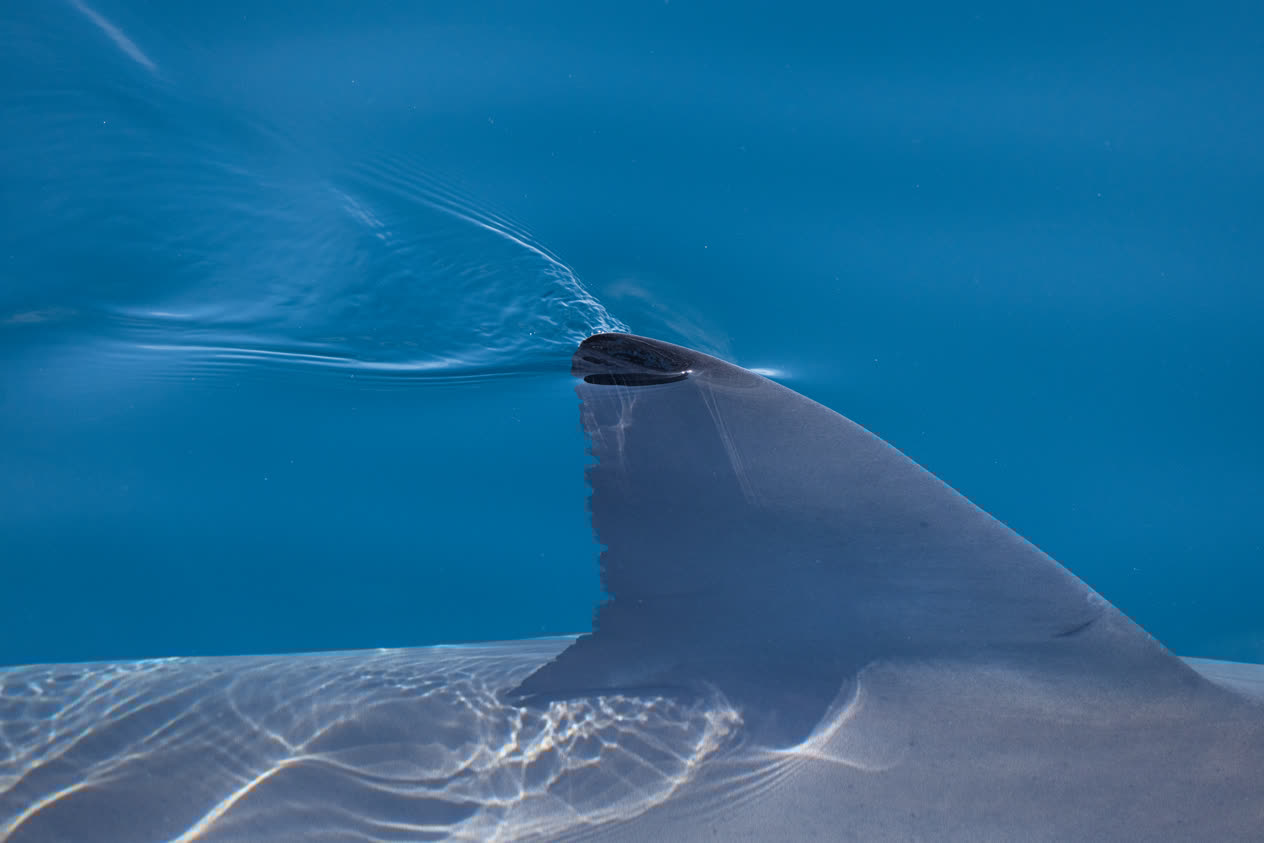
The dorsal fin of a white shark (Carcharodon carcharias) offshore of southwest Florida

Centers of Excellence

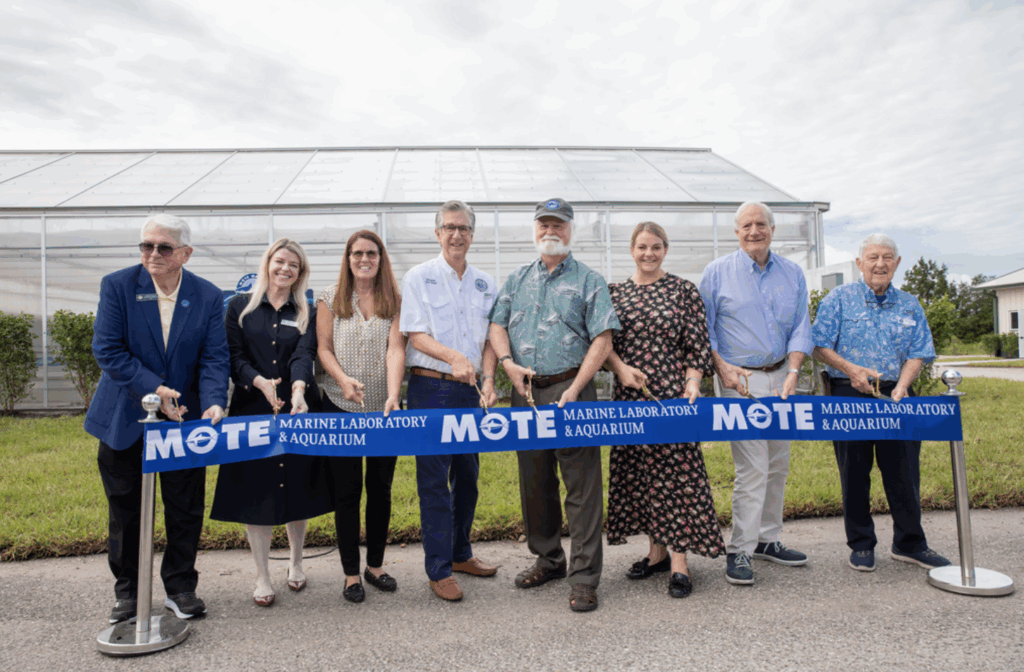
Each Center of Excellence brings together Mote scientists, often with external partners, to focus on pressing topics in marine science, conservation and education.