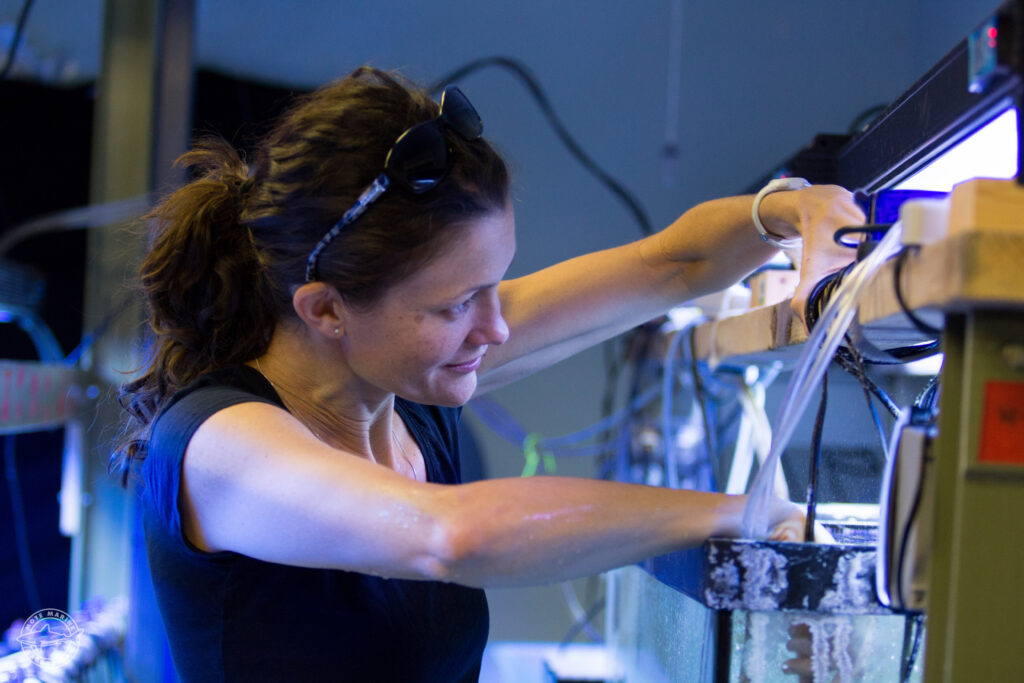
Ocean Acidification Program REU
Ocean Acidification Program REU Internship Mentor: Dr. Emily Hall The Ocean Acidification...
You are using an outdated browser. Please upgrade your browser to improve your experience.

Ocean Acidification Program REU Internship Mentor: Dr. Emily Hall The Ocean Acidification...
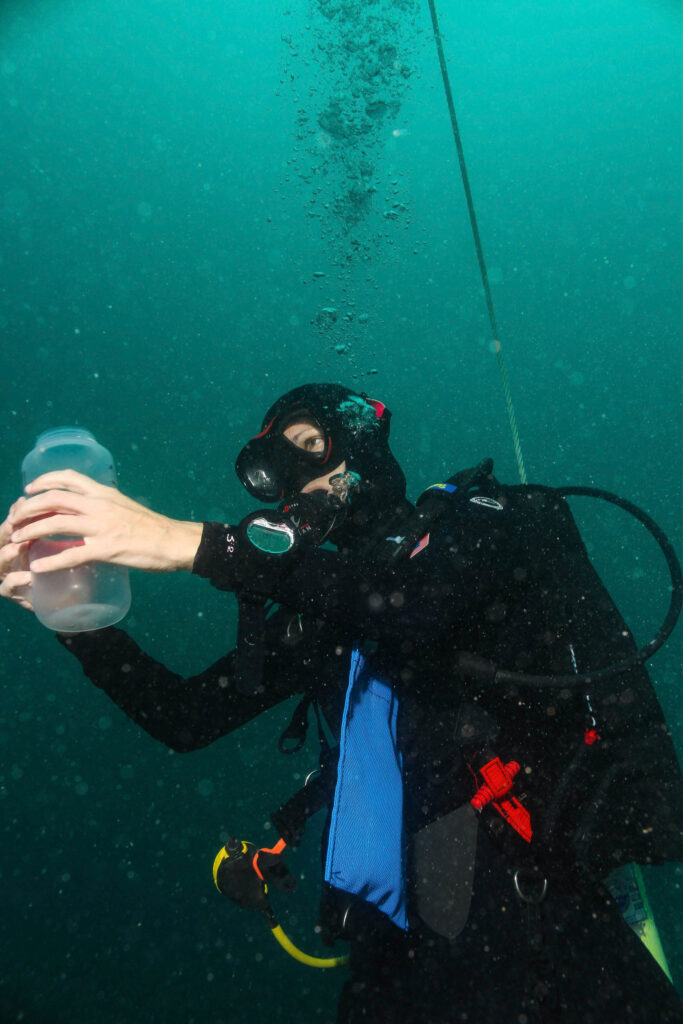
Ocean Acidification Internship The Ocean Acidification Program at Mote was created to research and understand responses of ecologically important species...
Ocean Acidification Internship The Ocean Acidification Program at Mote was created to research and understand responses of ecologically important species...
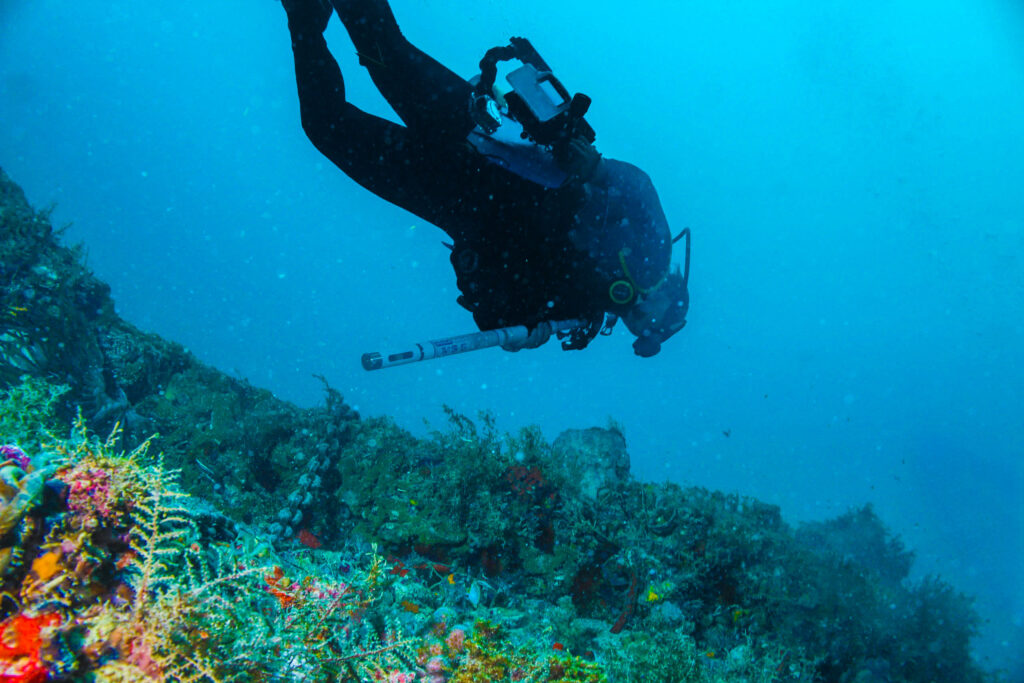
Introduction In September 2020, scientists undertook one of their deepest and most challenging missions yet into the Gulf of Mexico’s blue holes—underwater caves, springs and sinkholes being explored for their unique...

Sumit joined the Mote Phytoplankton Ecology group in February 2018. Sumit is interested in fine scale phytoplankton dynamics and the role of phytoplankton in the ocean carbon cycle and quantitative understanding of the perturbations...
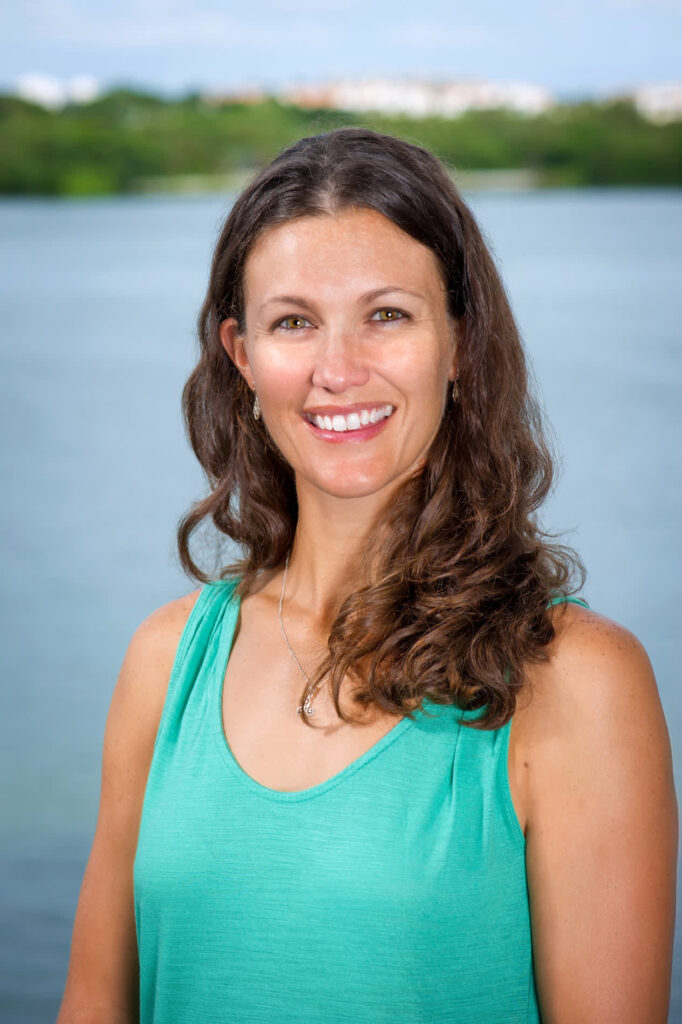
Dr. Emily Hall joined the staff at Mote Marine Laboratory in the Chemical Ecology Program in 2005 where she was most involved with research and monitoring of nutrient patterns in relation to harmful algal blooms in the west-central...
The sensitivity of reef-building coral to elevated temperature is a function of their symbiosis with dinoflagellate algae in the family Symbiodiniaceae. Changes in the composition of the endosymbiont community in response to thermal...
Aquatic ecosystems are increasingly threatened by multiple human-induced stressors associated with climate and anthropogenic changes, including warming, nutrient pollution, harmful algal blooms, hypoxia, and changes in CO2 and pH....
Coastal fish communities are under increasing levels of stress associated with climate variation and anthropogenic activities. However, the high degree of behavioral plasticity of many species within these communities allow them to...
Present in every population of plants and animals are distinct individuals who are resistant to disease. An important question is what genetic insights can be obtained from studying these individuals. In the case of coral, many of...
Assessing the linkage between breeding and non-breeding areas has important implications for understanding the fundamental biology of and conserving animal species. This is a challenging task for marine species, and in sea turtles...
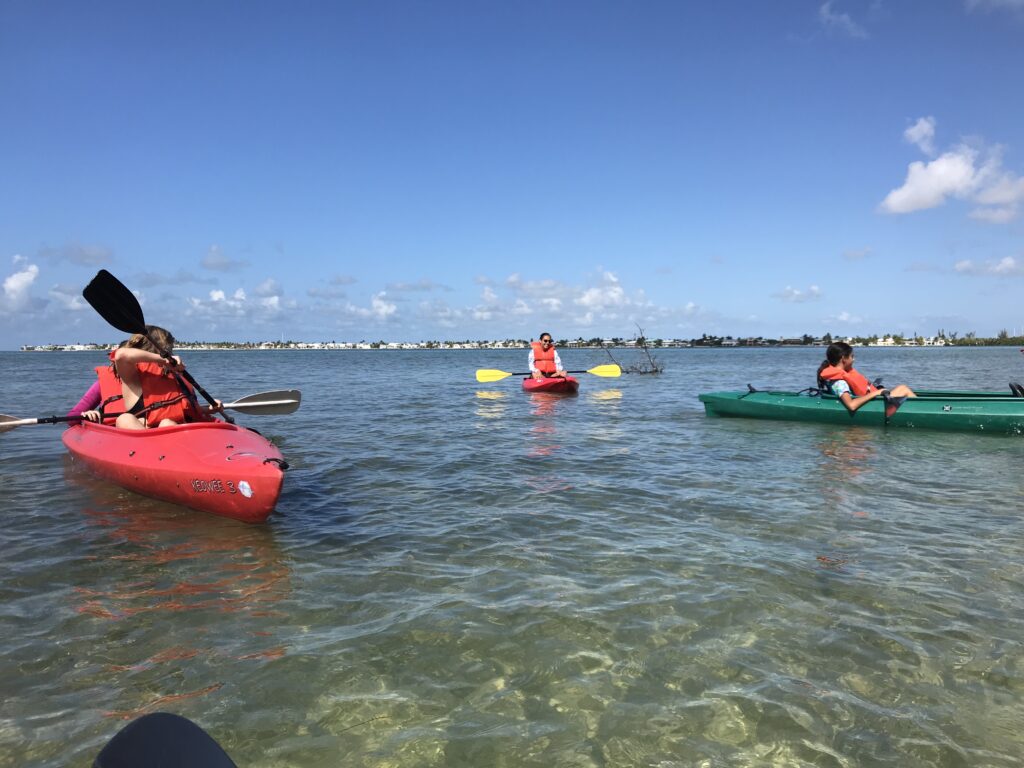
Florida Keys Field Trips Experienced Mote Educators lead your field trip program giving your students access to Mote’s world-class marine research and helping them explore a variety of science topics. Mote field...
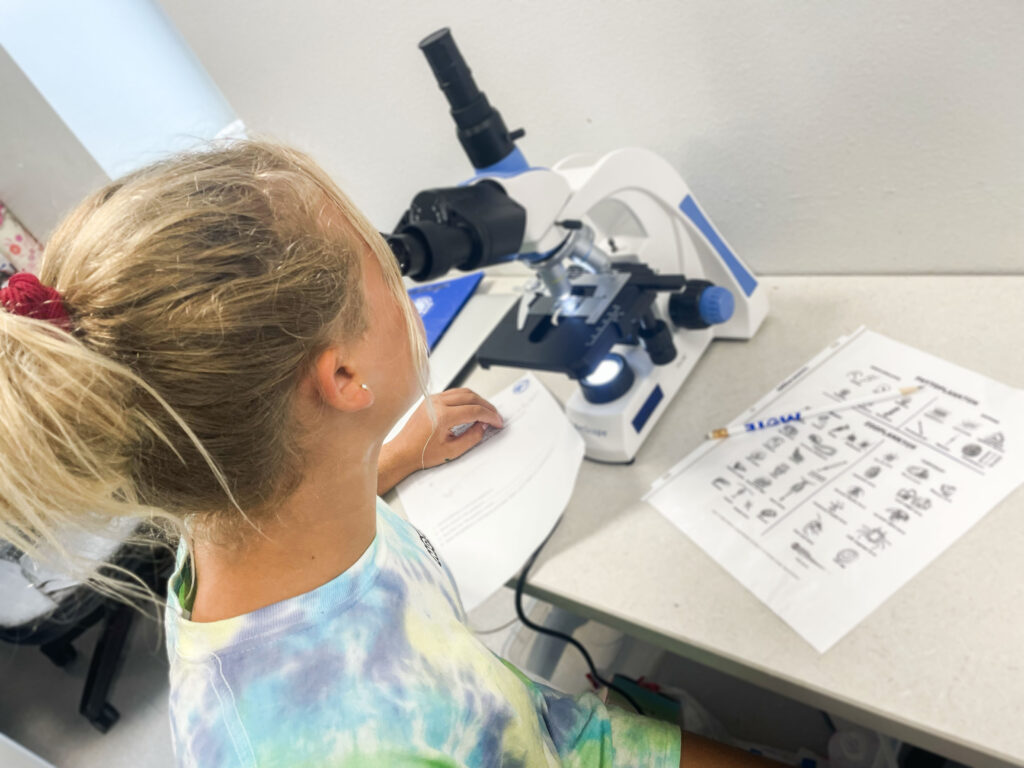
Biologist in Training Summer Day Camps In this series of exciting and educational day camps, young minds will dive into the fascinating world of coral reefs! Each camp is designed to...
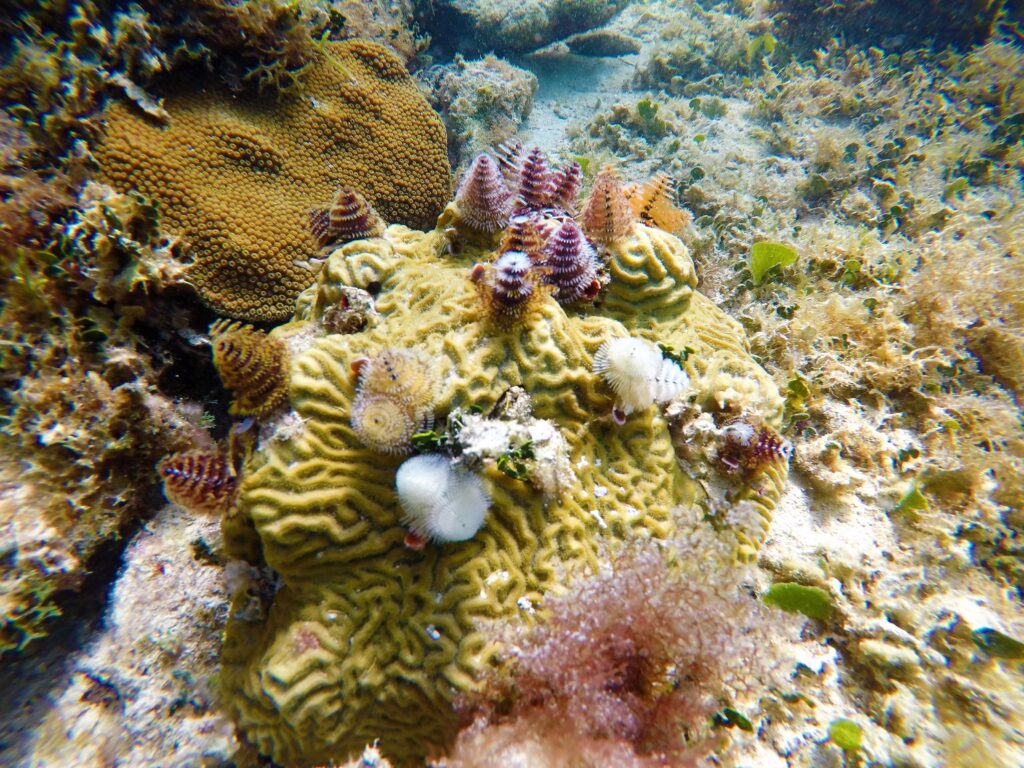
What is a Coral Kit? Mote's Coral Kits are a free, educational experience from Mote's Summerland Key lab to your classroom. There are 4 interactive lessons to choose from to teach students about coral reef biology and ecology,...
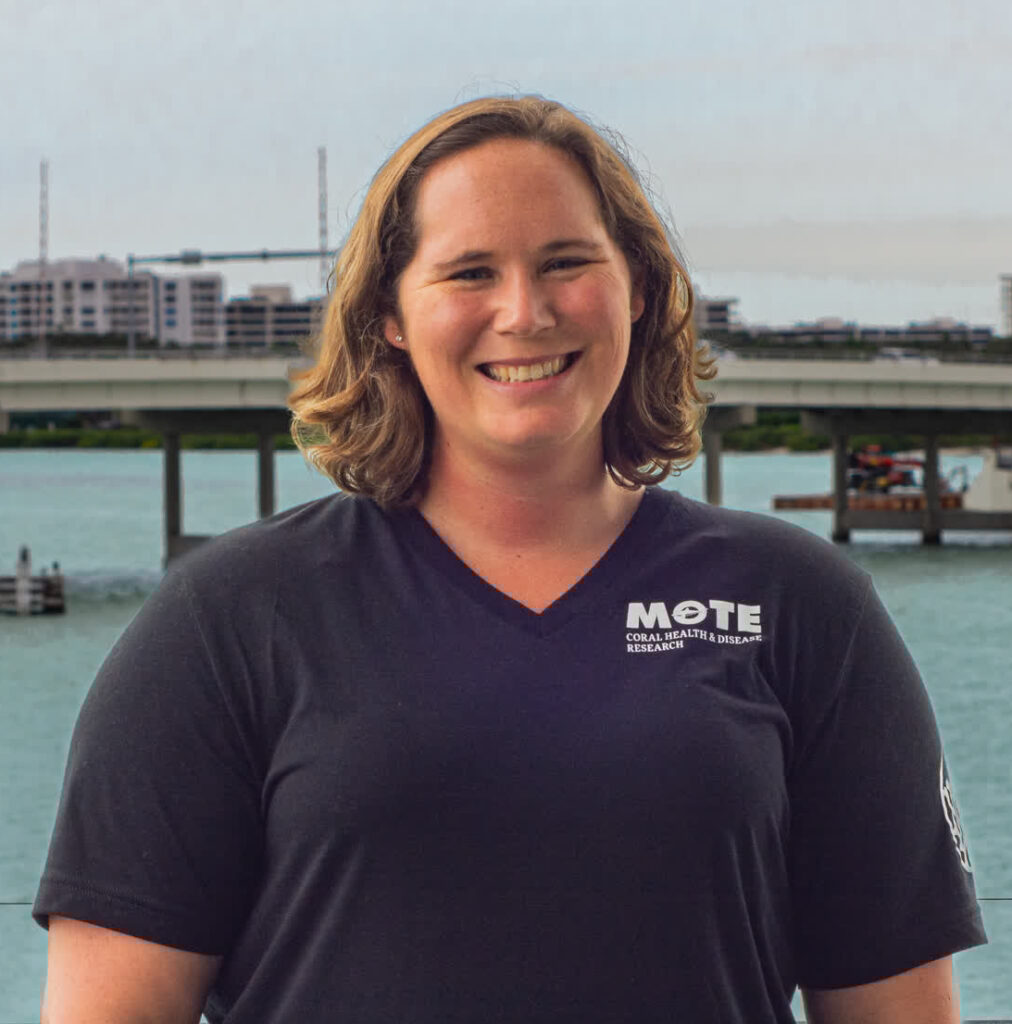
Dr. Williams first worked at Mote back in 2012 as a National Science Foundation Research Experience for Undergraduates intern, but officially joined the Mote team as a Postdoctoral Researcher in October 2020. She completed her Ph.D....

Dr. Muller's research focuses on identifying corals that are resilient to major threats such as climate change and coral disease to help inform Mote’s coral restoration activities. Additionally, her...
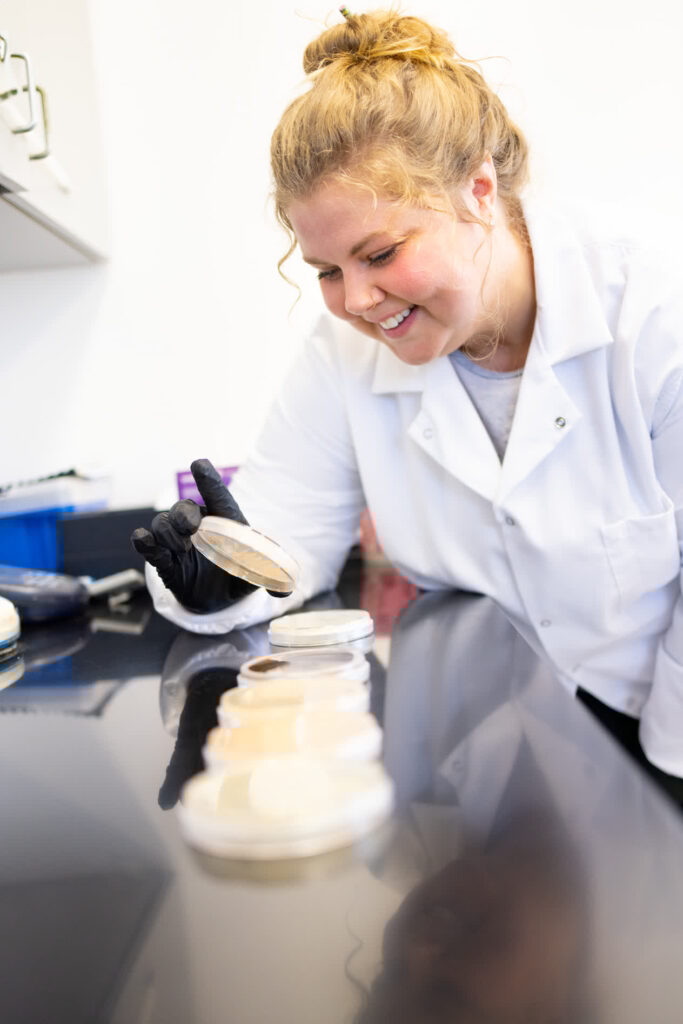
The Marine Microbiology Program studies microscopic living things (called microorganisms or microbes), their roles in the marine environment and their ability to produce natural products that can benefit marine animal and human health.
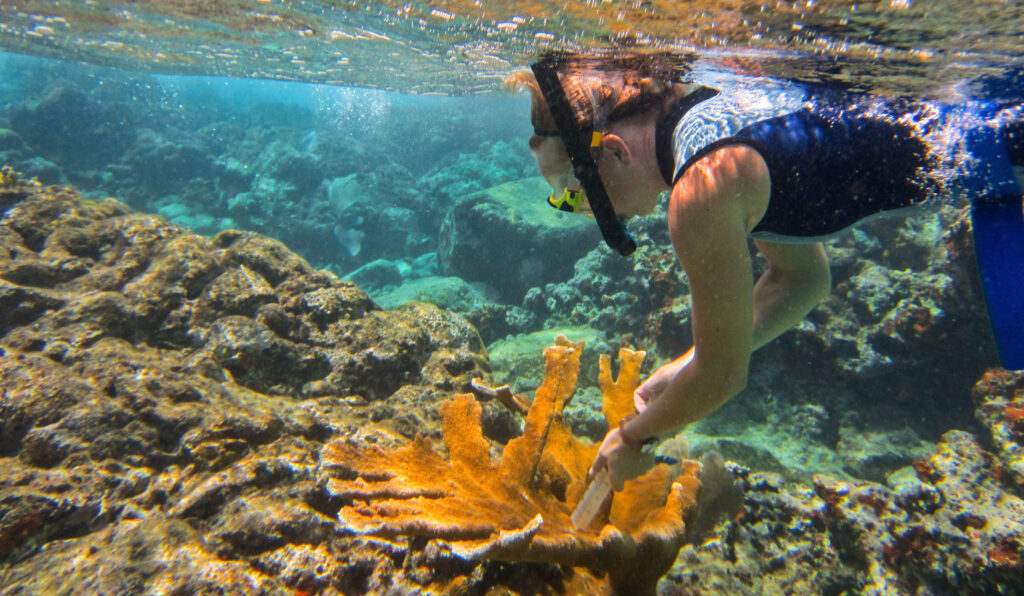
Several stressors including climate change and infectious diseases have caused significant losses in living coral, particularly in Florida, leading to ecosystems on the brink of functional extinction. ...
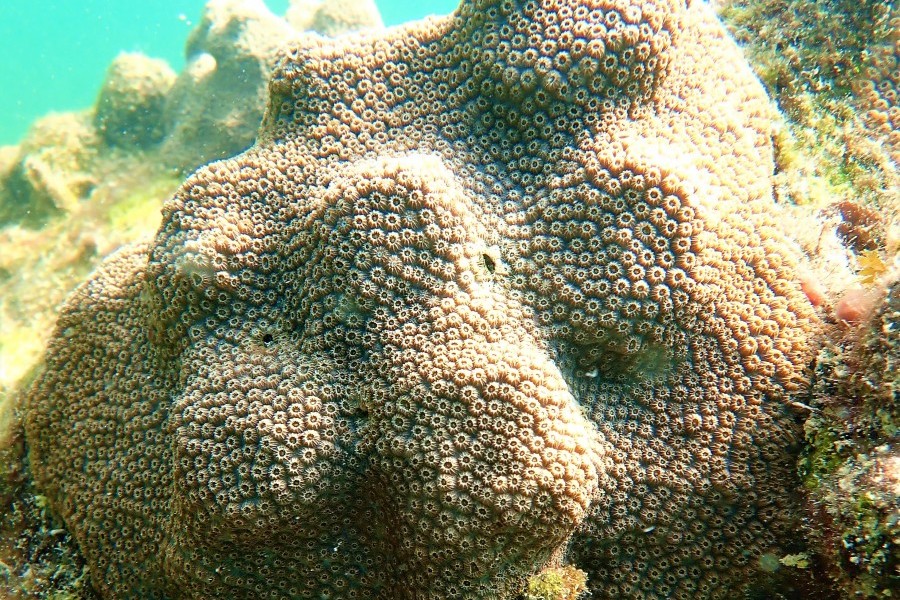
Mote Marine Laboratory scientists have restored more than 216,000 corals to Florida’s Coral Reef—an exciting milestone. Starting in 2020,...
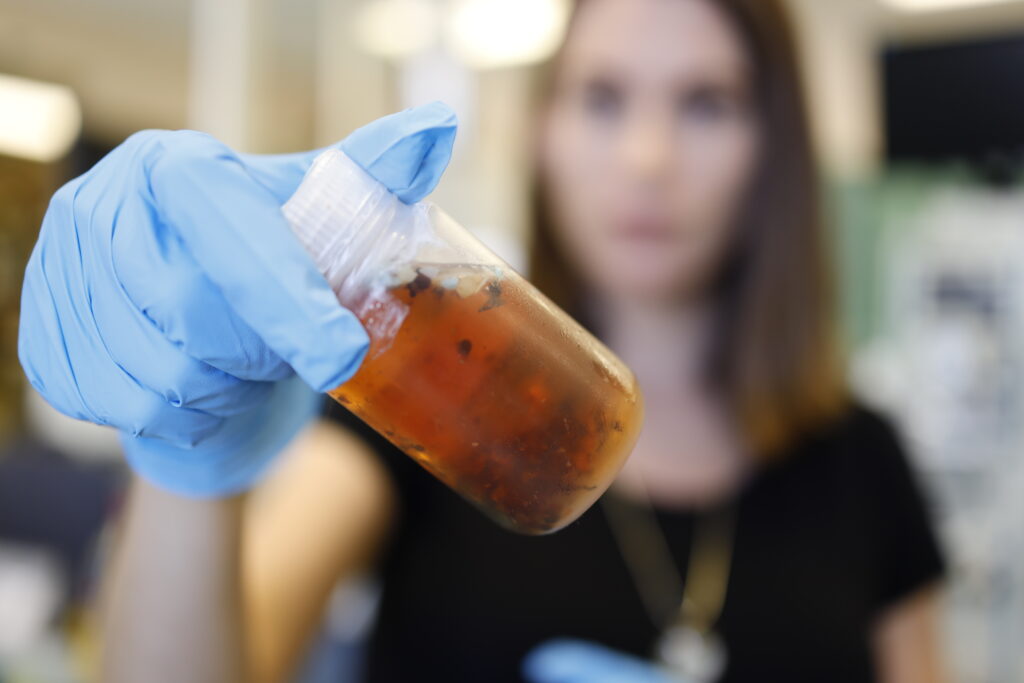
The ELF lab explores a range of organismal and environmental health issues. Over the past 18 years, the ELF lab has been funded over $6.5 million to carry out oil spill and industrial contaminant pollution research, nationally and...
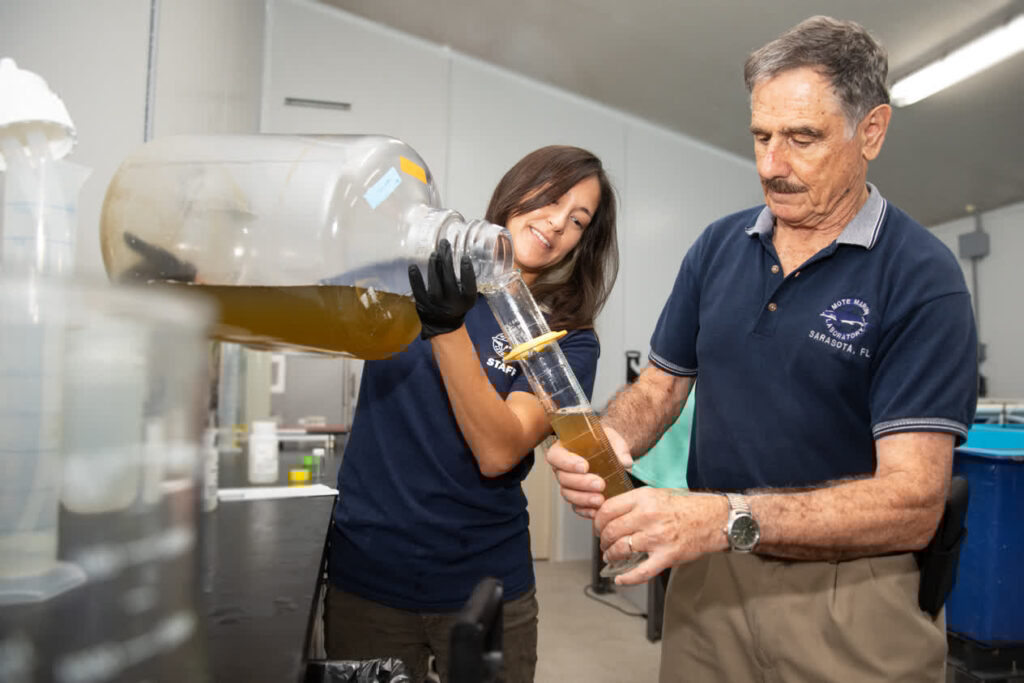
The mission of the Ecotoxicology Research Program is to investigate the source, fate and effects of toxic substances in the environment, including natural biotoxins (harmful...
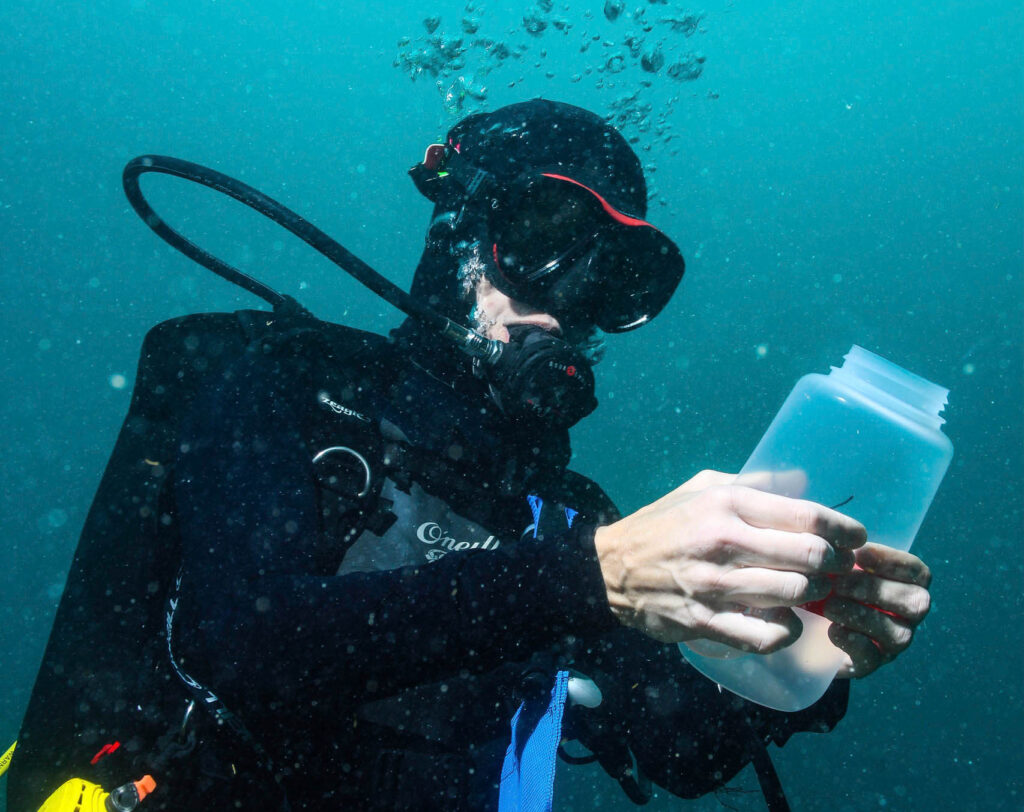
Worldwide, oceans absorb about one-third of all the excess carbon dioxide in the atmosphere, which can lead to a reduction in pH and dramatic shifts in seawater carbonate chemistry. Studies have shown that ocean water is more acidic...
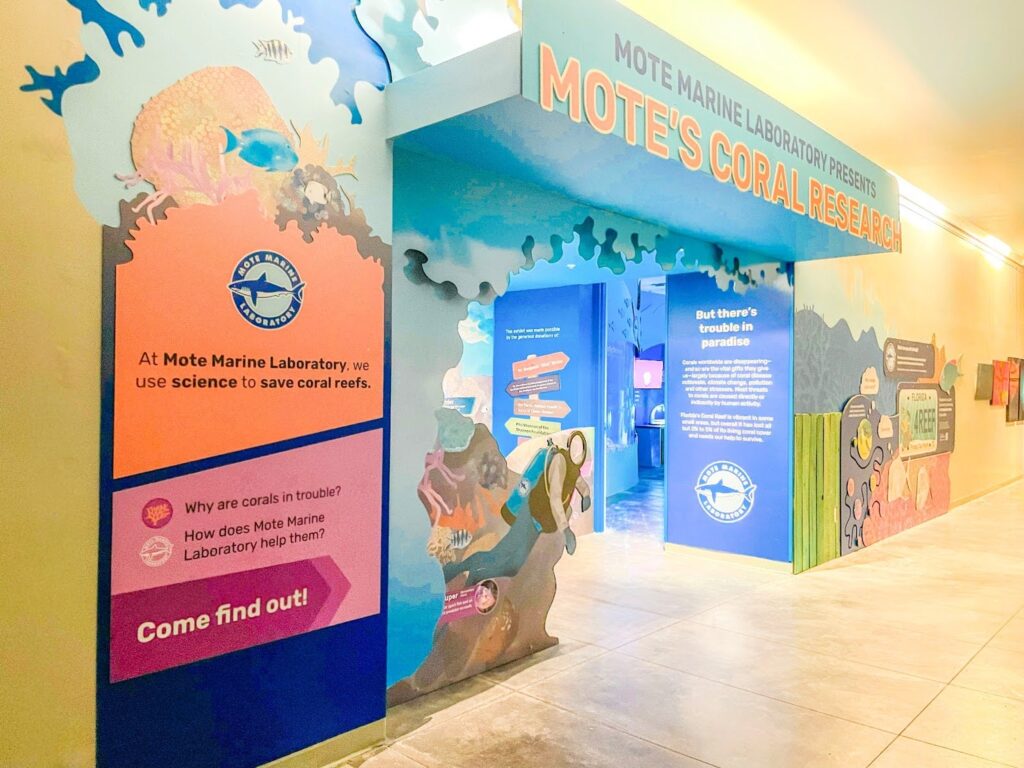
About This Campus To educate and involve visitors in the protection and conservation of coral reef ecosystems, Mote Marine Laboratory has teamed up with NOAA and their partners to create Mote’s...

Florida’s Coral Reef experienced record-breaking heat waves during the summer of 2023 caused by unusually high seawater temperatures that started early in the season, resulting in mass coral bleaching in certain areas. Florida’s...
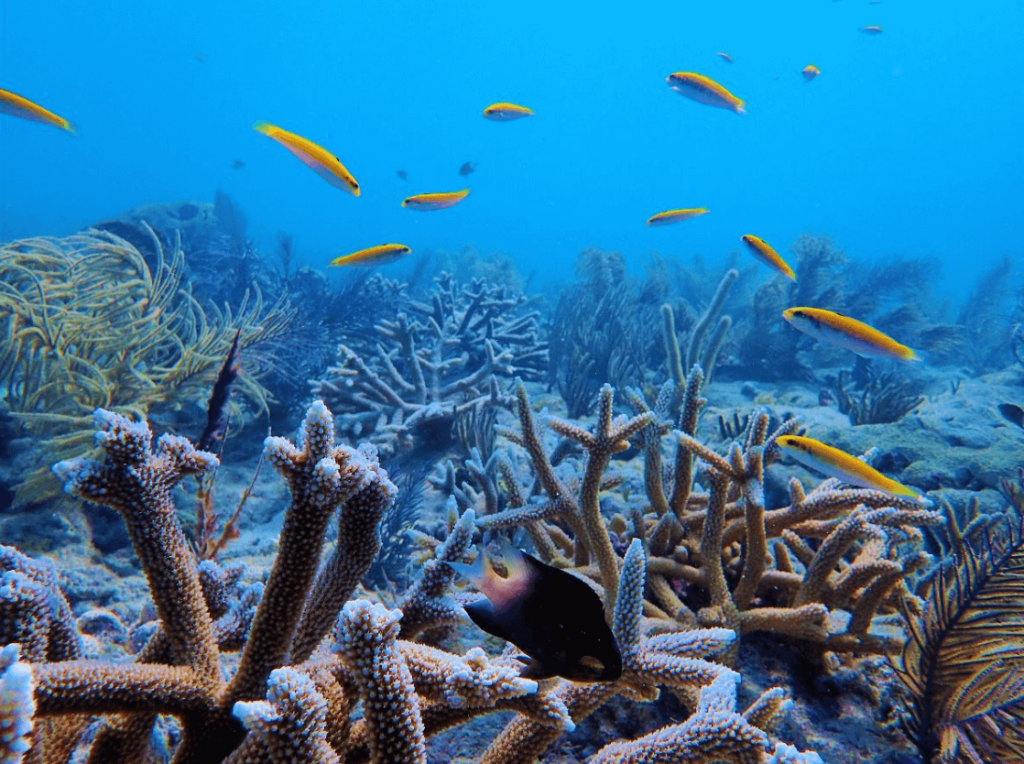
Mote Marine Laboratory is pleased to announce it was awarded nearly $7 million from the National Oceanic and Atmospheric Administration (NOAA) for a four-year, multi-faceted project focused on implementing a holistically transformative...
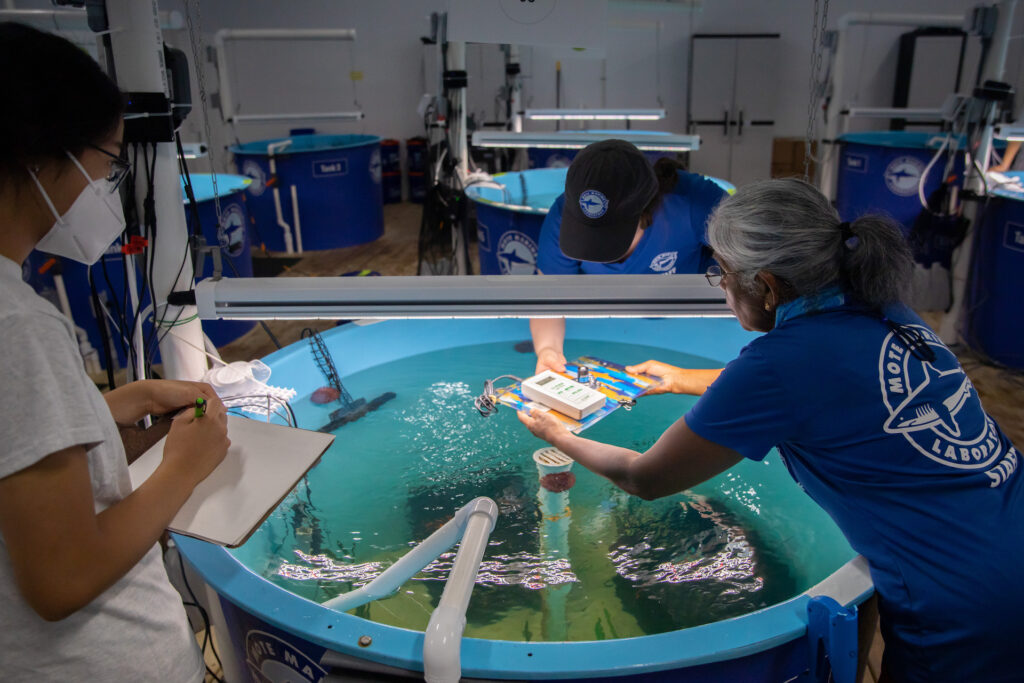
Mote Marine Laboratory & Aquarium is partnering with the University of Maryland Center for Environmental Science (UMCES) in a new $7.5 million grant from NOAA to lead an innovative U.S. Harmful Algal Bloom Control Technologies...

Fishing, a $200-billion industry in the United States, provides millions of jobs and sustenance. Newest Mote Research Technician in the Center for Fisheries Electronic Monitoring at Mote (CFEMM), Katie Harrington, is working to ensure...
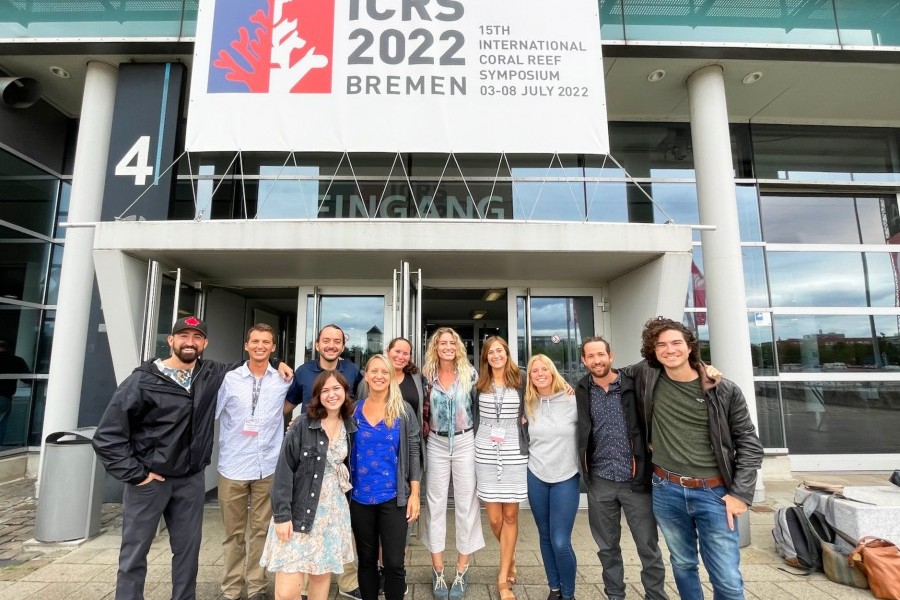
Cutting-edge coral reef research took the spotlight this week as six Mote Marine Laboratory scientists and their Mote-affiliated peers presented their latest discoveries during the 15th International Coral Reef Symposium (ICRS) in...
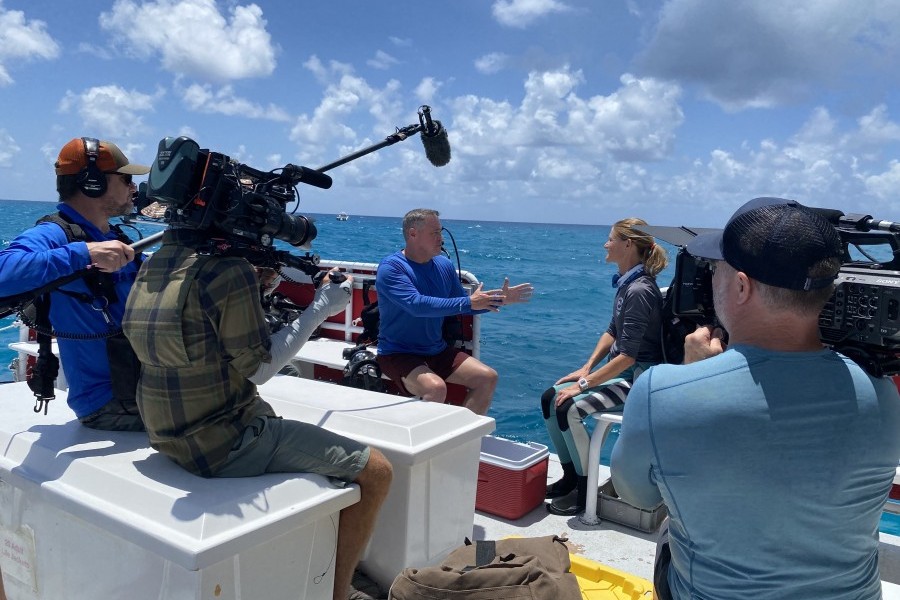
Mote's coral reef restoration and research efforts will be featured on the nationally syndicated show, Wildlife Nation, featuring host Jeff Corwin and presented by Defenders of Wildlife. The episode, "Crocs and Corals", features stories...