Beanie
Final Disposition Released on November 4, 2005 from Lido Beach Turtle was found disoriented near the north end of Anna Maria Island. It exhibits neurological symptoms, probably caused by red tide toxicosis. Turtle...
You are using an outdated browser. Please upgrade your browser to improve your experience.


Final Disposition Released on November 4, 2005 from Lido Beach Turtle was found disoriented near the north end of Anna Maria Island. It exhibits neurological symptoms, probably caused by red tide toxicosis. Turtle...
Final Disposition Released 08/03/2018 Barron was transferred from Clinic for the Rehabilitation of Wildlife in Sanibel for continued treatment for Red Tide toxicity. 08/04/2018 Barron...
Final Disposition Released 6 December 2012 Bear upon arrival. 10/16 Turtle was found floating and unable to dive in a red tide area. 10/17 Turtle arrived in good...
Final Disposition Released 08/01/2018 Turtle was found on Casperson Beach and was transported to Mote for treatment for Red Tide toxcity. Blood work was run. Animal will be given subcutaneous...
Final Disposition Died August 19, 2005 This turtle was found floating offshore from Venice Inlet. It was unable to submerge and was having breathing difficulty. It appears to be affected by red tide toxicosis,...
Final Disposition Released 06/22/2023 Turtle was found floating 100 yards off shore of the Sanibel Lighthouse in Lee County. Animal was transferred by Sanibel-Captiva Conservation Foundation...
Final Disposition Released January 17, 2007 at Vanderbilt Beach, Naples Photo of turtle on arrival. 10/23 Turtle was found floating near Tiger Key in Collier County, Florida yesterday...
Turtle on arrival. 9/3 Turtle was found floating off Pinellas Point, St. Petersburg, near the Sunshine Skyway Causeway and was transported to the Sea Turtle Rehabilitation Hospital...
Final Disposition Released January 17, 2007 at Vanderbilt Beach, Naples Photo of turtle on arrival. 10/23 Turtle was found floating near Tiger Key in Collier County, Florida yesterday...
Various recent reports, based on different approaches, data sets and time periods, have yielded different conclusions with regard to whether blooms of the Florida red tide dinoflagellate, Karenia brevis, have increased over time. Without...
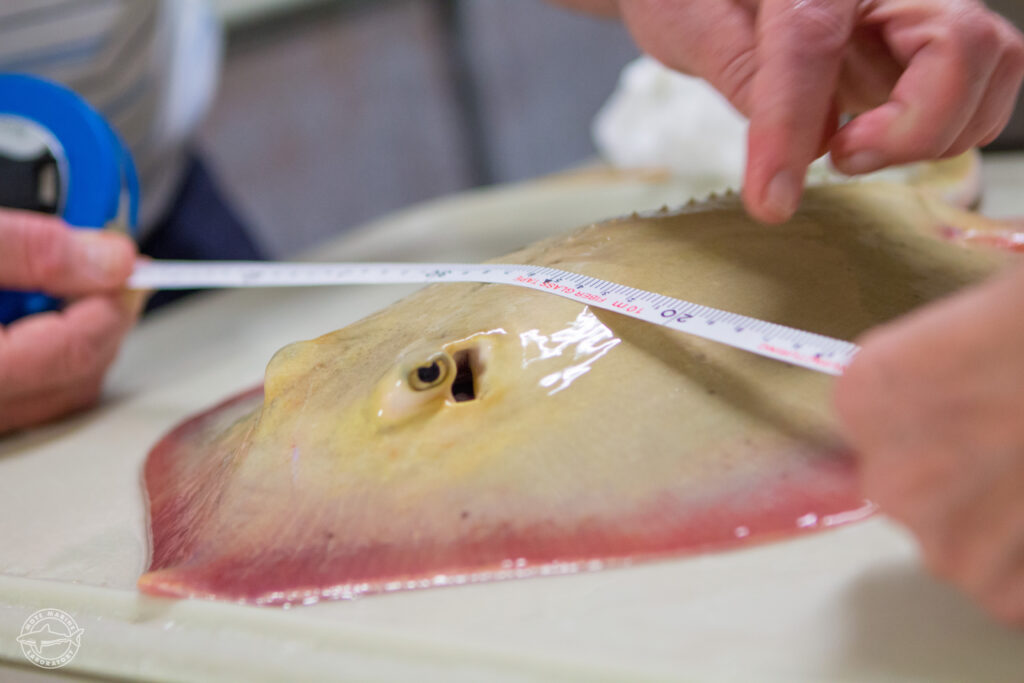
Marine Biomedical Research REU Internship Mentor: Dr. Sam Vielee In Mote's Marine Biomedical Research Program, we are interested...
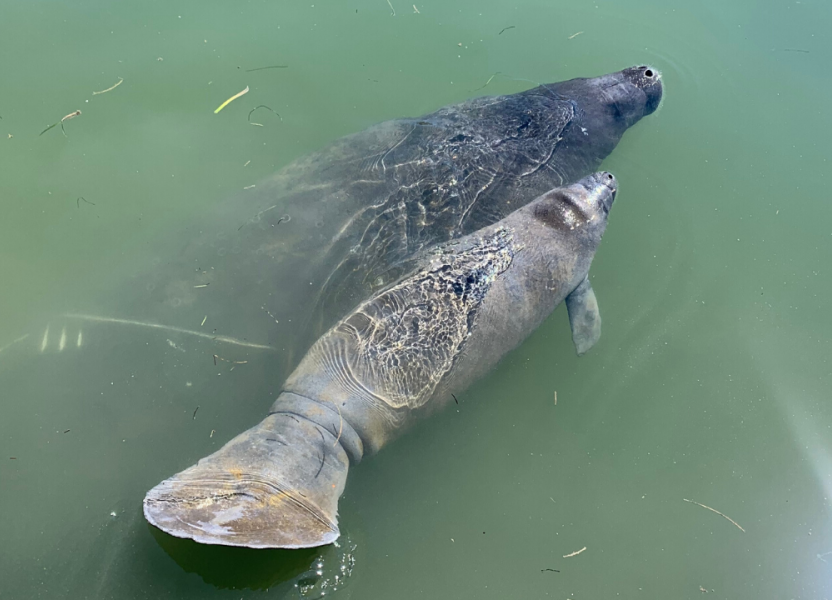
Manatees need our help to survive. These iconic animals face significant threats including boat strikes, red tides, the loss of seagrass and warm-water refuges, and more. Mote Marine Laboratory scientists provide a trusted source of...

Gather under shady oaks for a delicious and inspiring experience at Mote Aquaculture Research Park. Enjoy a delicious lunch and exclusive, behind-the-scenes tours of Mote’s rapidly growing research park. Hear directly from Mote scientists...
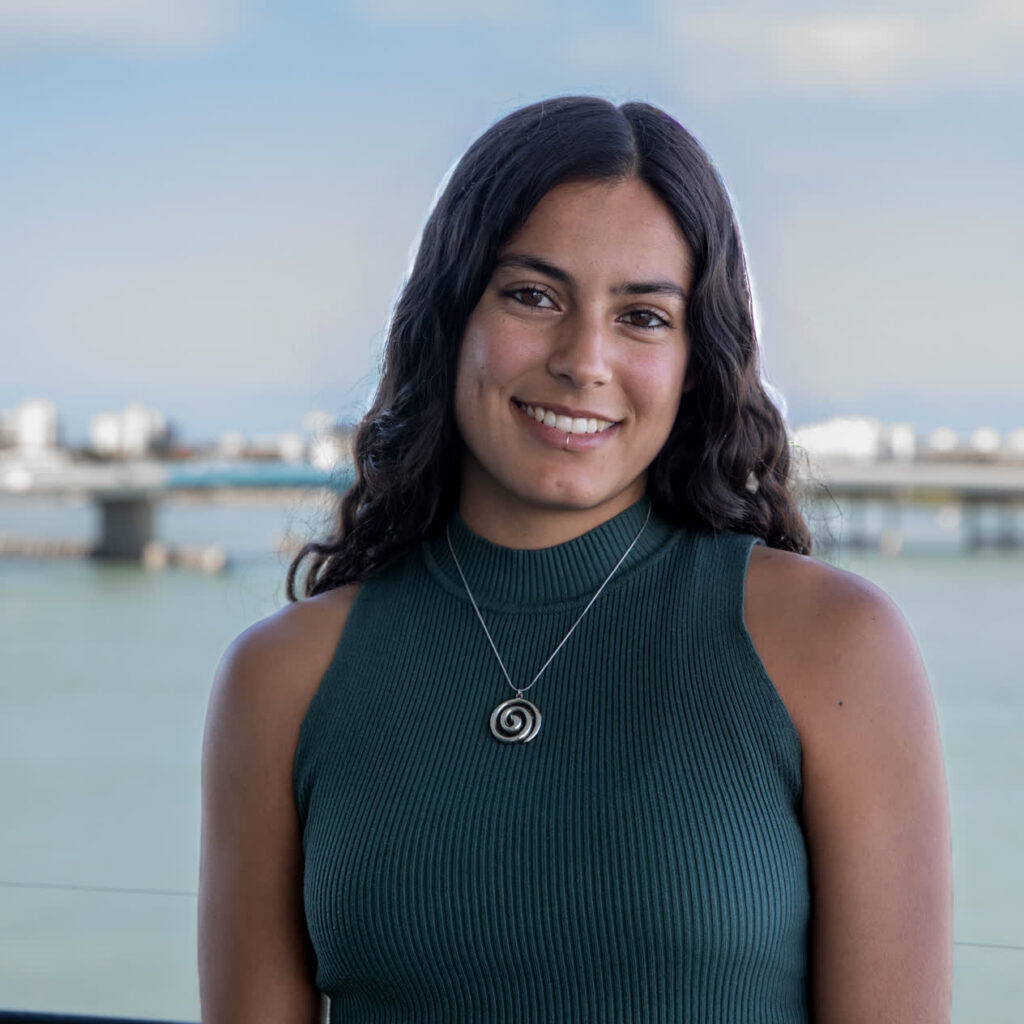
Alana is a West Coast native, and growing up in California by the beaches sparked her interest in Marine life and conservation from a very young age. She got an academic scholarship to Hawaii Pacific...
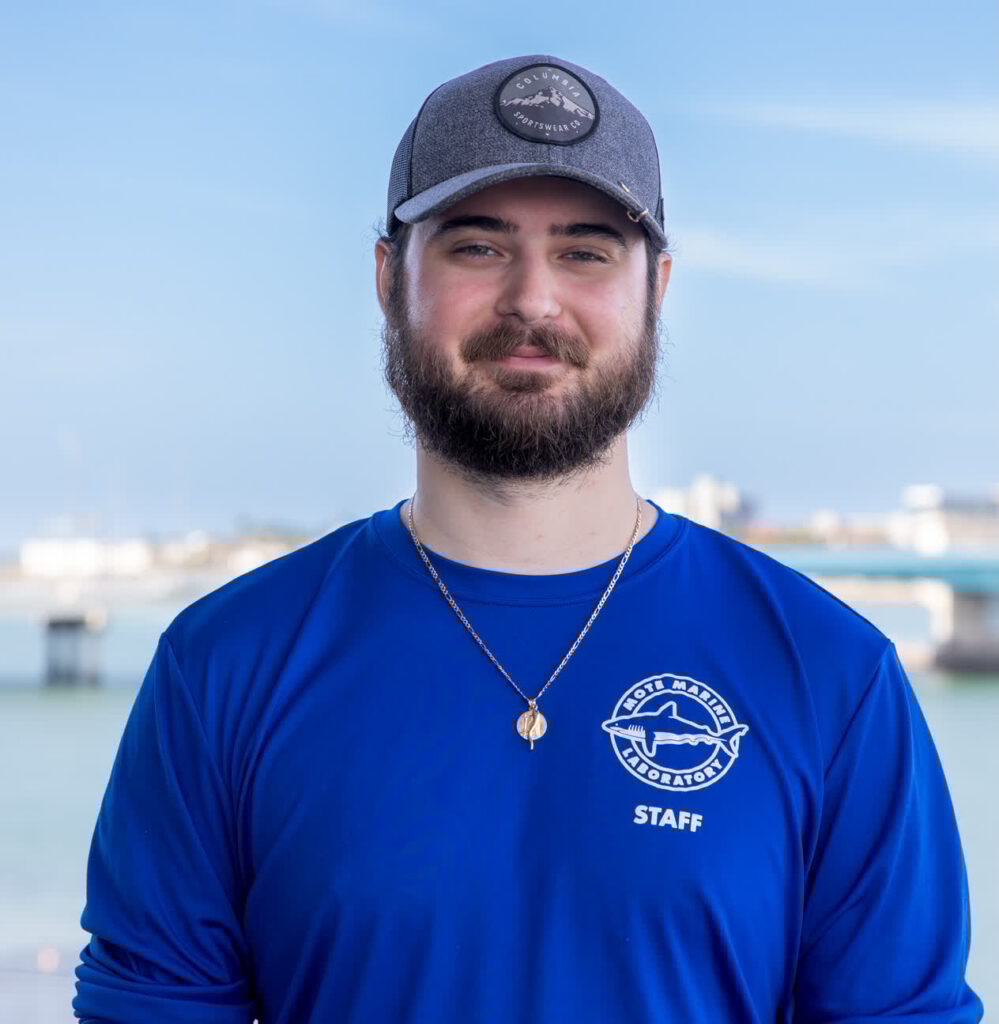
Dominic is a Florida Gulf Coast University (FGCU) alumnus with a Bachelor of Science in Marine Science. He joined Mote Marine Laboratory’s Red Tide Institute in 2025 as a Research Technician, where he supports the department's harmful...
Blooms of Karenia brevis (also called red tides) occur almost annually in the Gulf of Mexico. The health effects of the neurotoxins (i.e., brevetoxins) produced by this toxic dinoflagellate on marine turtles are poorly understood....
Blooms of the brevetoxin-producing dinoflagellate, Karenia brevis, are a recurrent and sometimes devastating phenomenon in the Gulf of Mexico. The eastern oyster, Crassostrea virginica, is exposed regularly to these blooms, yet little...
Harmful algal blooms (HABs) pose significant challenges to coastal communities and economies worldwide. The annual occurrence of “red tide” along the Gulf of Mexico is caused by Karenia brevis (KB) during periods of eutrophication....
Situated on Florida’s Gulf Coast, Sarasota County provides critical habitat for manatees in the Southwest region. Prior analysis of the county’s long-term aerial survey database found increasing numbers of manatees using county...
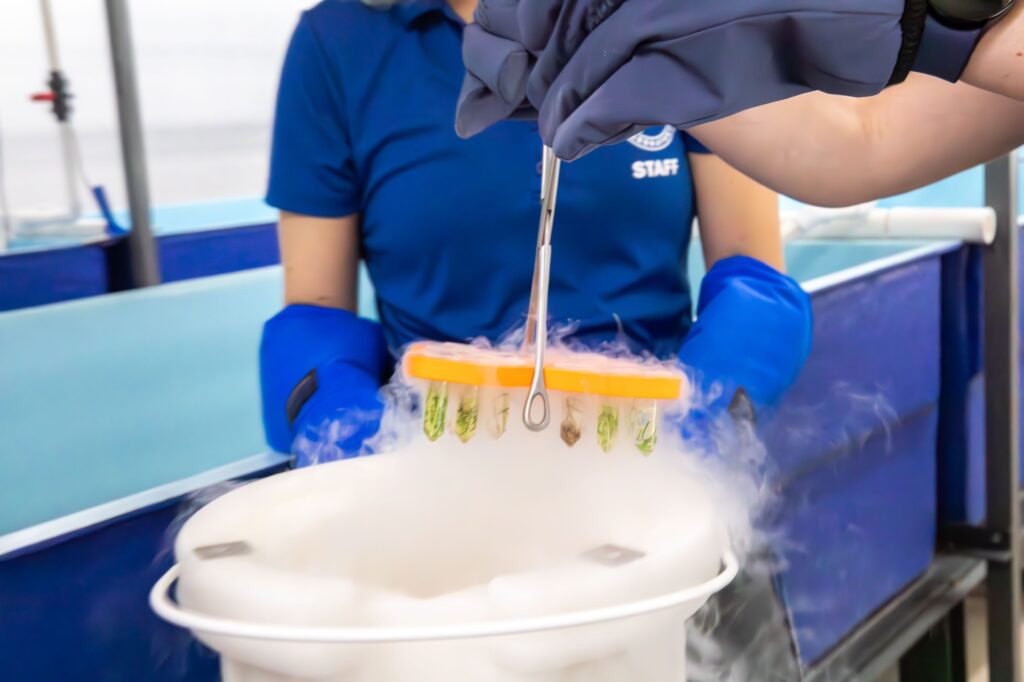
Seagrasses play a crucial role in the health and resilience of Florida’s coastal ecosystems. They provide nursery habitats for keystone species and stabilize shorelines and sediments. Seagrasses contribute...
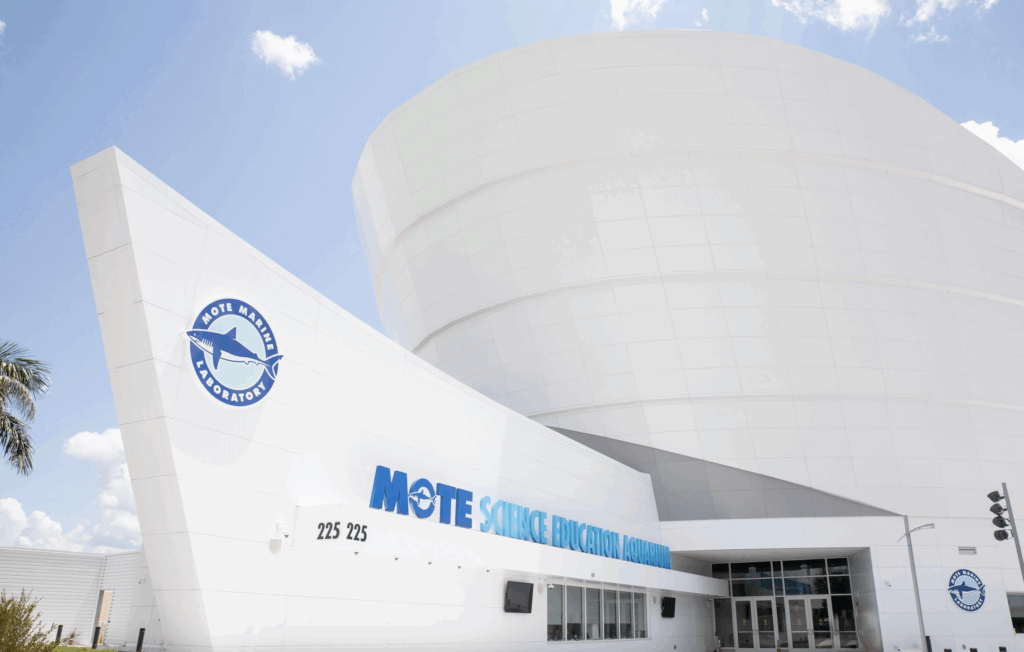
About the Tour As you journey through the each gallery, click on each track to uncover fascinating facts about the species and their habitats. Listen to the introductory track below for detailed instructions.
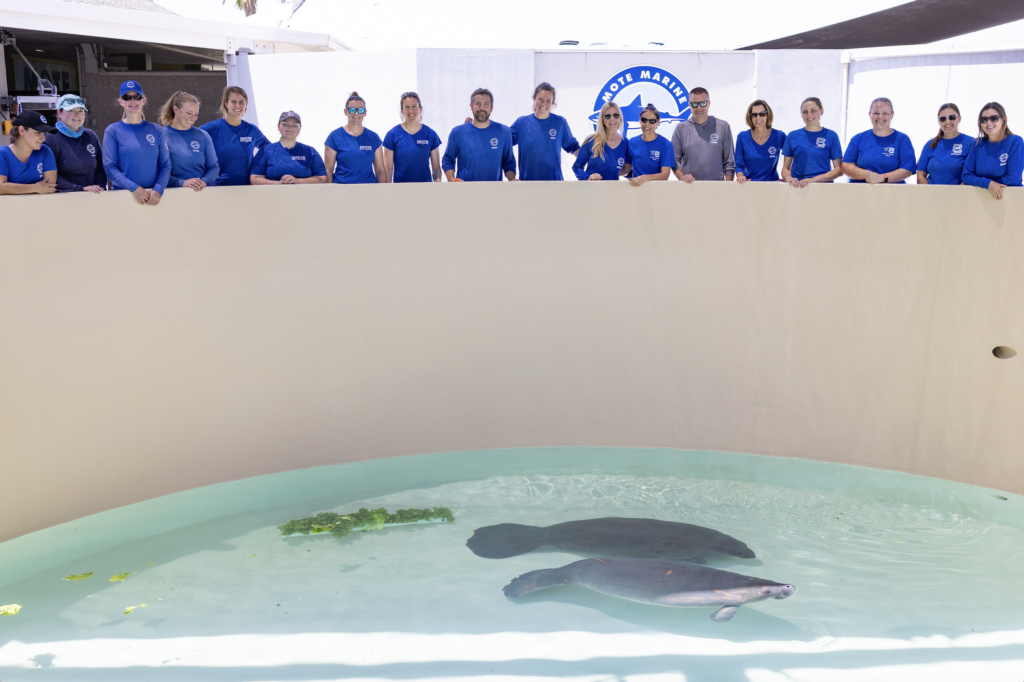
Mote Marine Laboratory & Aquarium is proud to announce the arrival of its first two manatee rehabilitation patients, Cabbage and Sleet, marking a major milestone in manatee conservation. This transfer signifies the launch of Mote’s...

Mote Marine Laboratory & Aquarium released two sub-adult loggerhead sea turtles—nicknamed “Grimm" and "Monique"—back into the Gulf following successful rehabilitation at Mote’s Sea Turtle...
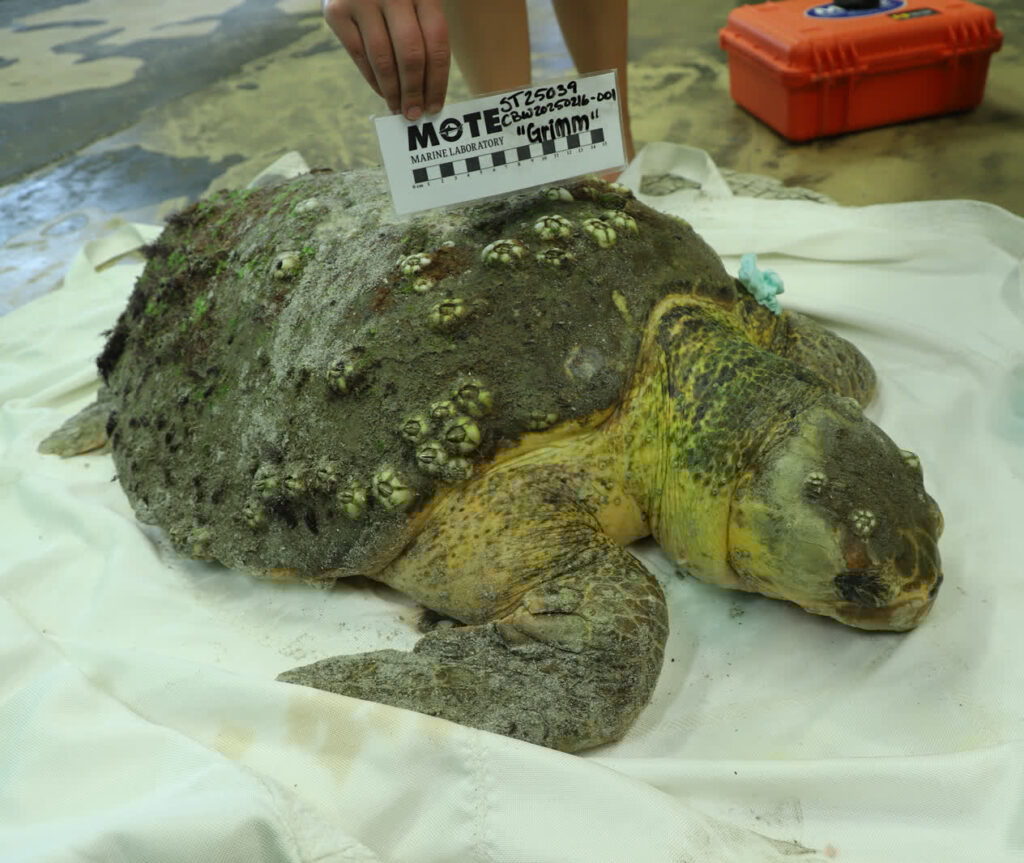
02/16/2025 Turtle was found floating off Captiva Rd. in Sanibel, FL. Animal was lethargic and minimally responsive. Turtle was transported to Mote for rehab. for likely red tide toxicity. Upon arrival, blood...
Curcumin, a natural plant product, was investigated as a mitigation tool against Karenia brevis, the toxic dinoflagellate responsible for Florida red tides. A series of laboratory bench-top studies were conducted with additions of...
The Programmable Hyperspectral Seawater Scanner (PHySS) represents a significant breakthrough in monitoring harmful algal blooms (HABs), specifically targeting the "Florida red tide" caused by Karenia brevis. By utilizing a Fourth-Derivative...
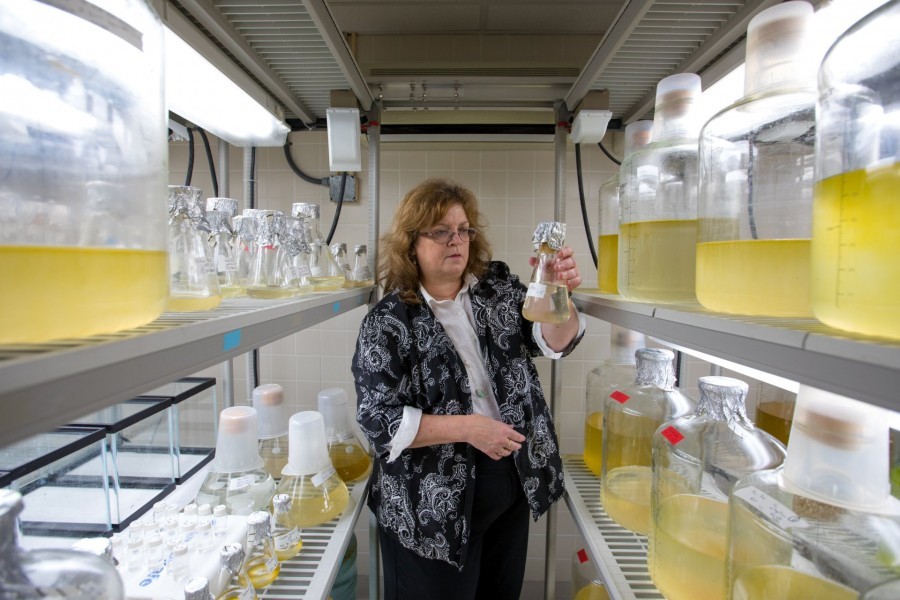
Harmful Algal Bloom Mitigation & Ecology REU Internship Mentor: Dr. Cynthia Heil The Harmful Algal Bloom Mitigation & Ecology Research Program...
Harmful Algal Bloom Mitigation & Ecology URE Internship Mentor: Dr. Cynthia Heil The Harmful Algal Bloom Mitigation...
Population models, such as those used for Population Viability Analysis (PVA), are valuable for projecting trends, assessing threats, guiding environmental resource management, and planning species conservation measures. However, rarely...